Cover Letter for Grads What You Need to Know
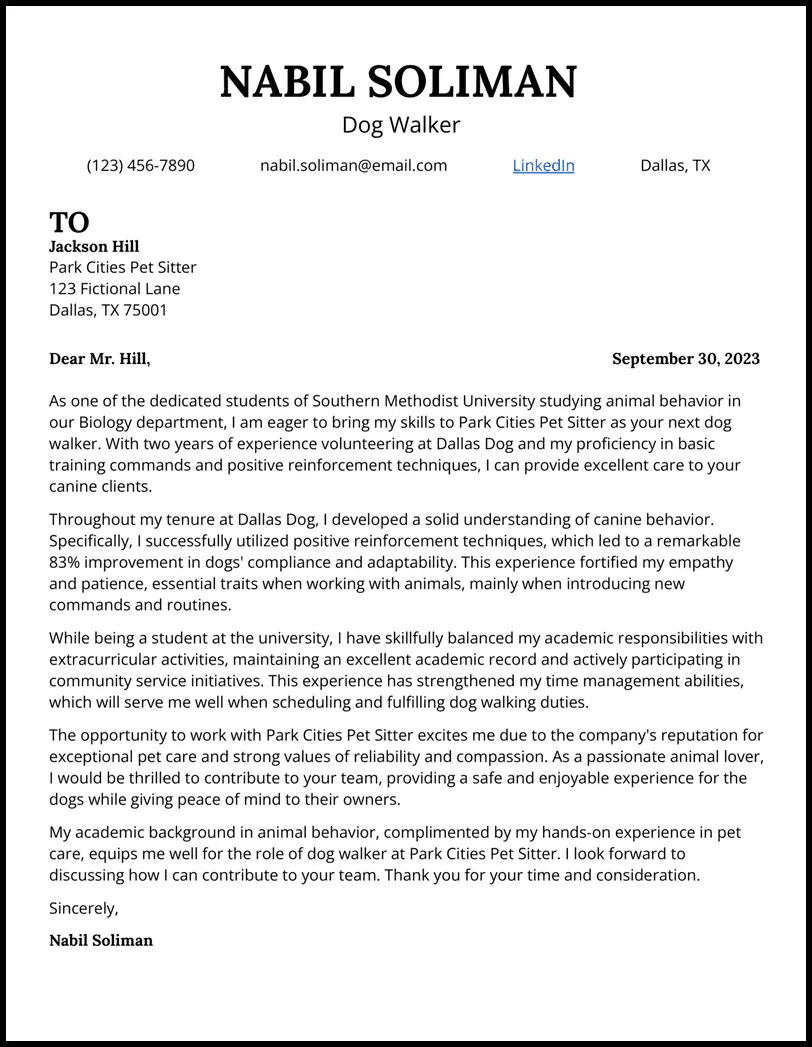
Entering the job market as a recent college graduate with no prior professional experience can feel daunting. You might worry about how to stand out from the crowd and secure your first job offer. A well-crafted cover letter is your secret weapon in this situation. It provides an opportunity to showcase your potential, highlight relevant skills gained through education and other experiences, and express your enthusiasm for the specific role and company. This guide provides top tips to help you write a compelling cover letter that grabs the attention of hiring managers and increases your chances of landing an interview. Remember, even without traditional work experience, you have valuable assets to offer.
Highlighting Your Education
Your education is the cornerstone of your qualifications. It demonstrates the knowledge and skills you’ve acquired. A cover letter should strategically showcase your academic background, focusing on elements that align with the job requirements. Think of your degree as the foundation, then build upon it with specifics.
Emphasize Relevant Coursework

Instead of just listing your major, delve into specific coursework that relates to the job. For example, if applying for a marketing role, mention courses in digital marketing, consumer behavior, or market research. Describe briefly what you learned and how it prepared you for the responsibilities of the position. This provides concrete examples of your knowledge base and its relevance to the job.
Showcase Projects and Assignments
College projects, research papers, and assignments often require the application of skills and knowledge crucial in the workplace. Highlight projects that demonstrate skills like problem-solving, teamwork, leadership, or technical proficiency. Briefly explain the project, your role, and the outcomes achieved. This provides tangible examples of your abilities and how you’ve applied them in real-world scenarios. For example, if a project involved analyzing data, mention the tools and techniques used and the insights gained.
Quantify Achievements
Whenever possible, quantify your achievements. Instead of saying you ‘participated in a group project,’ state ’led a team of five students to develop a marketing plan that increased website traffic by 15%’. Using numbers adds credibility and helps employers understand the impact of your contributions. This is particularly important if you have limited experience. Metrics demonstrate the effectiveness of your efforts, showcasing your capacity to achieve results.
Focusing on Skills and Abilities

Even without professional experience, you possess a range of skills and abilities gained through academic pursuits, extracurricular activities, and personal experiences. The cover letter is your chance to highlight these transferable skills and demonstrate how they align with the job requirements.
Transferable Skills for Grads
Identify transferable skills that are applicable to the job. These are skills you’ve developed in one context that can be used in another. Some common transferable skills include communication, teamwork, problem-solving, time management, and leadership. Give examples of how you’ve used these skills in school projects, group activities, or volunteer work. Demonstrating adaptability is crucial, and transferable skills prove you’re versatile.
Technical Skills
If the job requires specific technical skills, be sure to mention them. Include any software proficiency, coding languages, or technical tools you’re familiar with. For example, if you know how to use data analysis software, or design software, list them. If you have certifications, mention those, too. This shows you’re prepared for the technical demands of the job.
Soft Skills

Highlight your soft skills, which are personal attributes that enable you to interact effectively with others. These include communication, adaptability, problem-solving, and teamwork. Provide examples of how you’ve used these skills in academic settings, extracurricular activities, or personal projects. Soft skills are essential for workplace success and can set you apart from other candidates. The ability to collaborate and communicate effectively is crucial.
Tailoring Your Cover Letter
One of the most critical aspects of a successful cover letter is tailoring it to each specific job and company. A generic cover letter won’t impress employers. Show them you’ve done your research and genuinely want the position. Customize your cover letter to make the hiring manager feel like you were writing directly to them.
Researching the Company
Before you start writing, research the company. Understand their mission, values, products or services, and recent news or projects. This information will help you tailor your cover letter and demonstrate genuine interest. Go to their website, read their ‘About Us’ section, and browse their social media profiles. This background knowledge will make it easier to discuss why you are a good fit.
Customizing Your Letter for Each Job

Each job has unique requirements and responsibilities. Review the job description carefully and identify the key skills and qualifications the employer is seeking. Then, customize your cover letter to highlight your skills and experiences that align with those requirements. Make sure to use keywords from the job description to show you are a good match. This demonstrates that you have carefully considered the role and its demands.
Use Keywords from Job Description
When customizing your cover letter, use keywords from the job description. Employers often use applicant tracking systems (ATS) to scan resumes and cover letters for these keywords. Including the right keywords increases your chances of getting past the initial screening process. Integrate relevant keywords naturally into your sentences, focusing on skills, experiences, and qualifications mentioned in the job posting. But don’t overdo it; your letter should still read well.
Formatting and Presentation
The format and presentation of your cover letter also matter. A clean, professional layout demonstrates attention to detail and professionalism. Your cover letter should look polished and easy to read. The cover letter is an extension of your brand, so the appearance is just as important as the content.
Choose a Professional Font

Select a professional and easy-to-read font, such as Times New Roman, Arial, or Calibri. The font size should be between 10 and 12 points. Ensure the font is consistent throughout the document. Avoid using overly fancy or distracting fonts, which can detract from the content.
Keep it Concise
Keep your cover letter concise and to the point. Aim for a length of one page. Use clear and direct language, and avoid long, convoluted sentences. Break up large blocks of text with bullet points to make the information easier to digest. Highlight key points and skills succinctly. Remember, hiring managers often have limited time to review each application.
Proofread Carefully
Proofread your cover letter carefully for any grammatical errors, spelling mistakes, or typos. Errors create a negative impression and suggest a lack of attention to detail. Use a spell checker, but also read through the letter multiple times to catch any mistakes the spell checker might miss. Ask a friend or family member to proofread it for a fresh perspective.
Closing the Letter

The closing of your cover letter is your final chance to make a strong impression. It is where you express your enthusiasm for the position, reiterate your qualifications, and include a clear call to action.
Express Enthusiasm
Reiterate your enthusiasm for the position and the company. Explain why you are particularly excited about the opportunity and how your skills and interests align with the role and the company’s mission. Demonstrate your eagerness to contribute to their team. Show them that you’re enthusiastic about the possibility of joining the company. This passion will make you more memorable to the hiring manager.
Call to Action
Include a clear call to action. State that you look forward to the opportunity to discuss your qualifications further and are available for an interview. Provide your contact information, including your phone number and email address. Make it easy for the employer to take the next step and contact you. This prompts the hiring manager to take action, increasing your chances of getting an interview.
Writing a cover letter as a recent college graduate with no experience can be challenging, but by focusing on education, skills, tailoring, and presentation, you can create a compelling document that highlights your potential. Remember to research the company, tailor your letter to each job, and proofread carefully. By following these tips, you can increase your chances of landing an interview and launching your career. Your cover letter is a key part of your application, so don’t underestimate its importance.