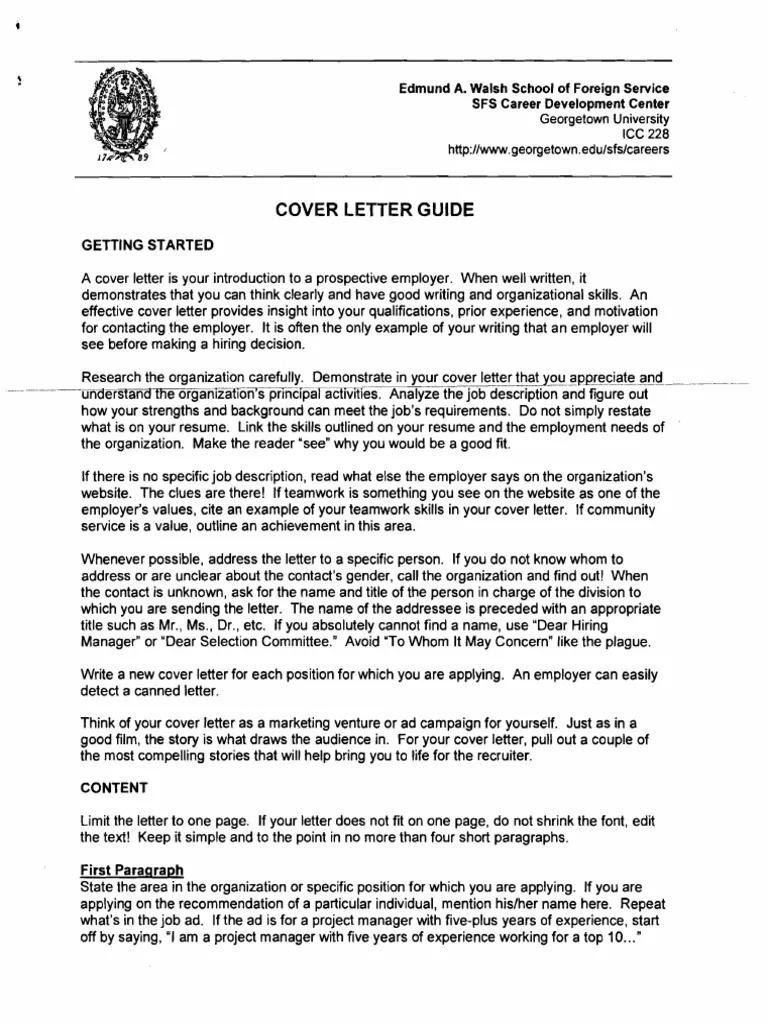
Cover Letter Guide Overview
In today’s competitive job market, a well-crafted cover letter is more crucial than ever. It’s your first impression, a chance to showcase your personality, and a way to tell your story beyond the confines of a resume. This comprehensive cover letter guide will equip you with the knowledge and tools to write a great cover letter that grabs attention and helps you land your dream job. We’ll delve into the essential components, provide practical tips, and explore examples to help you create a compelling cover letter that stands out from the crowd. The aim of this guide is to transform the daunting task of cover letter writing into a manageable and even enjoyable process, setting you up for success in your job search.
Why a Cover Letter Matters
A cover letter serves several vital functions that a resume alone cannot fulfill. It allows you to provide context to your qualifications, explain gaps in your employment history, and express your enthusiasm for the specific role and company. Furthermore, it’s an opportunity to demonstrate your writing skills, communication abilities, and attention to detail. Many employers view a cover letter as a crucial element of the application process, as it provides insights into your personality, work ethic, and overall fit within the company culture. Failing to include a cover letter, or submitting a poorly written one, can be a significant missed opportunity, potentially leading your application to be overlooked, even if your qualifications are strong. The cover letter is your chance to shine and make a lasting impression.
Cover Letter Mistakes to Avoid

Several common mistakes can undermine the effectiveness of your cover letter. Avoid generic templates that could apply to any job. Generic cover letters do not show you put effort on the job. Sending a generic letter immediately signals a lack of genuine interest. Another mistake is simply restating your resume. The cover letter should provide additional details and context, not a mere summary. Errors in grammar and spelling are also a significant red flag. Always proofread meticulously. Finally, avoid being overly formal or using jargon that could alienate the reader. Instead, strive for a professional yet personable tone that reflects your unique voice. Focus on what you can offer, not what you want. The image of cover letter mistakes can show these points.
Cover Letter Structure The Basics
A well-structured cover letter is easy to read and conveys information in a logical manner. A clear structure also makes it easier for the hiring manager to find the information they are looking for quickly. The standard cover letter structure includes several key components, each serving a specific purpose in showcasing your qualifications and enthusiasm. Adhering to a standard format ensures professionalism and helps you present your information in a clear, concise, and engaging way. Understanding the structure is the foundation for crafting a great cover letter.
Header and Contact Information
The header should include your full name, address, phone number, and email address. This information should be consistent with what’s on your resume. Include the date and the hiring manager’s name and title, if known. If you don’t know the hiring manager’s name, research it online or use a professional salutation. Ensure that the header is neatly formatted, with clear and easily readable information. Accurate contact details are vital; otherwise, you may miss important communications regarding the job application process. Attention to detail in the header showcases your professionalism and organizational skills.
The Salutation

The salutation sets the tone for your cover letter. Addressing the hiring manager by name is ideal (e.g., “Dear Mr. Smith”). This demonstrates that you have researched the company and are invested in the application process. If you’re unsure of the hiring manager’s name, use a professional salutation like “Dear Hiring Manager.” Avoid generic salutations such as “To Whom It May Concern.” The salutation should be followed by a colon or a comma. The salutation reflects your level of professionalism, respect, and attention to detail. The way you greet the reader is important to build good first impression.
The Introduction Grab Attention
Your introduction is your chance to make a strong first impression. Start with a compelling hook, such as mentioning a mutual connection, expressing your enthusiasm for the company’s mission, or highlighting a key achievement that aligns with the job requirements. Clearly state the position you are applying for. Briefly mention why you are a good fit for the role. The introduction should be concise, engaging, and designed to pique the reader’s interest. The main goal is to encourage the reader to continue reading. A memorable opening can set you apart from other applicants and show you are serious about the job application.
Body Paragraphs Showcasing Your Skills
The body paragraphs are where you provide the meat of your cover letter. These paragraphs should expand on your qualifications, skills, and experiences. Use specific examples to illustrate how you meet the job requirements. Tailor your content to the job description, highlighting the skills and experiences that are most relevant. The goal is to convince the employer that you are a strong match. Provide concrete evidence of your abilities through achievements and results-driven examples, rather than simply listing skills.
Highlighting Relevant Skills

Focus on the skills and experiences that are most relevant to the job you are applying for. Review the job description carefully, identify the key skills and requirements, and then provide evidence that you possess those skills. This might include examples from previous roles, projects, or volunteer work. Don’t just list your skills; demonstrate how you have applied those skills to achieve results. Emphasize your strengths, and align them with the specific requirements of the role. Demonstrate you are a good fit.
Quantifying Achievements
Whenever possible, quantify your achievements to make them more impactful. Use numbers, percentages, and other metrics to demonstrate the results you have achieved in previous roles. For example, instead of saying you “increased sales,” state that you “increased sales by 15% in the first quarter.” Quantifying your achievements provides concrete evidence of your value and helps employers understand the impact you can make. Numbers and metrics add credibility and highlight your ability to produce results. Make it easy for the hiring manager to see your value.
Tailoring to the Job Description
Customize your cover letter for each job application. Avoid using a generic template. Carefully review the job description and identify the key requirements and responsibilities. Then, highlight the skills, experiences, and qualifications that directly align with these requirements. Explain how your experience and skills fit the role. Show that you understand the role and the company. This shows your genuine interest. It shows that you understand the role and the needs of the company and have put effort into the application.
The Conclusion Call to Action

Your conclusion should reiterate your interest in the position and the company. Summarize your key qualifications and reiterate your enthusiasm for the opportunity. Include a clear call to action, such as requesting an interview or expressing your availability for a follow-up conversation. Thank the hiring manager for their time and consideration. End with a professional closing, such as “Sincerely” or “Best regards,” followed by your name. The conclusion is your last opportunity to make a positive impression and encourage the hiring manager to take the next step.
Cover Letter Writing Tips
Beyond the structural elements, several writing tips can help you craft a great cover letter. These tips focus on style, tone, and content to help you create a compelling letter that sets you apart and demonstrates your qualifications to potential employers. These tips will help you showcase your skills and make a lasting impression.
Use Action Verbs
Use strong action verbs to start your sentences and describe your accomplishments. This makes your cover letter more dynamic and engaging. Replace passive phrases with active verbs. Instead of writing “Responsibilities included managing projects,” write “Managed projects.” Action verbs bring your accomplishments to life and demonstrate your proactive nature. Action verbs help the reader quickly understand what you did. A good cover letter uses a variety of action verbs to demonstrate your skills.
Proofread Carefully

Proofread your cover letter multiple times to catch any errors in grammar, spelling, and punctuation. Errors can undermine your credibility and create a negative impression. Read the letter aloud. Ask a friend or colleague to review it. Use grammar and spell-check tools, but don’t rely on them completely. Careful proofreading demonstrates your attention to detail and professionalism. A mistake-free cover letter shows that you take pride in your work. Make sure there are no mistakes, even minor ones.
Formatting and Design
Use a clear and professional font, such as Times New Roman, Arial, or Calibri. The font size should be easy to read (typically 11 or 12 points). Use consistent formatting, including spacing and paragraph alignment. Ensure that the layout is clean and organized. Your cover letter should be easy to read and visually appealing. A well-formatted cover letter shows attention to detail and professionalism. Ensure that the document is well-organized and easy to navigate.
Cover Letter Examples
Reviewing cover letter examples can help you understand how to structure and write an effective cover letter. Look for examples that align with the type of job you are applying for and the industry you are targeting. Pay attention to the tone, language, and formatting used in the examples. Use the examples as inspiration, but don’t simply copy them. Tailor the content to your own experiences and qualifications. Study different examples to get ideas on tone and content. Adapt the examples to reflect your own unique skills and experiences.