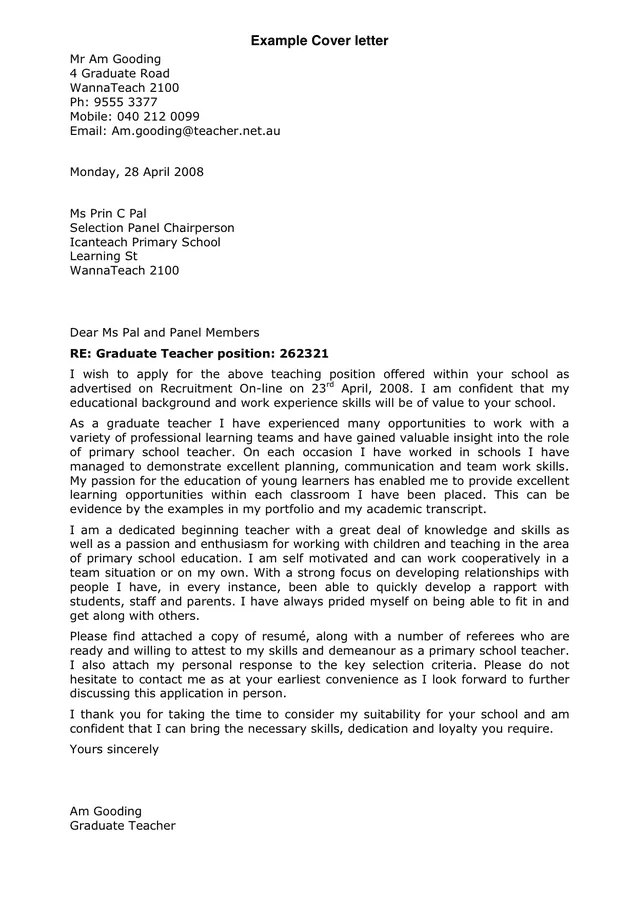
Cover Letter Format Overview
A well-formatted cover letter is a crucial component of any successful job application. It serves as your introduction to a potential employer, providing an opportunity to showcase your skills, experience, and enthusiasm for the role. Unlike a resume, which provides a factual overview of your qualifications, a cover letter allows you to tell a story, explaining why you are the ideal candidate and how your abilities align with the company’s needs. Mastering the correct format is essential, as a poorly formatted letter can instantly disqualify you, regardless of your qualifications. This guide breaks down the essential elements of a compelling cover letter format, ensuring you make a strong first impression and increase your chances of landing an interview.
Header Section
The header section is the first thing a hiring manager sees, so it’s important to get it right. This section typically includes your contact information, the date, and the recipient’s contact information. Accuracy and professionalism are key here, so double-check all details to avoid errors that can undermine your credibility before you even start making your case.
Your Contact Information

Begin with your full name, followed by your phone number, email address, and optionally, your LinkedIn profile URL or professional website. Ensure your email address is professional (e.g., firstname.lastname@email.com) and that your voicemail greeting is also professional. This information should be left-aligned at the top of the page, making it easy for the hiring manager to quickly find your details if they want to contact you. Using a clear and legible font, such as Arial or Times New Roman, is crucial.
Date
Below your contact information, include the date you are submitting the cover letter. This is important for record-keeping purposes and shows that your application is current. The date should be formatted in a standard way, such as Month Day, Year (e.g., July 14, 2024). This date should align with your contact information, creating a clean and organized look.
Recipient’s Contact Information
Next, include the recipient’s information. If possible, find the hiring manager’s name and title to personalize your letter. Address the letter directly to this person (e.g., ‘Dear Mr. Smith’). If you cannot find the hiring manager’s name, use a professional greeting such as ‘Dear Hiring Manager.’ Below the salutation, include the company’s name, address, and city. Make sure the information is accurate and up-to-date to avoid any errors that may make your letter look less professional.
Salutation

The salutation sets the tone for your entire cover letter. As mentioned earlier, always address the hiring manager by name if possible (e.g., ‘Dear Ms. Jones’). This shows that you’ve taken the time to research the company and the position. If you’re unsure of the hiring manager’s name, use a professional greeting like ‘Dear Hiring Manager’ or ‘Dear [Department Name] Team.’ Avoid generic greetings like ‘To Whom It May Concern,’ which can come across as impersonal. This salutation should be followed by a colon.
Body Paragraph 1 Introduce Yourself
The first paragraph should introduce yourself, state the position you are applying for, and briefly explain how you learned about the opportunity. Mentioning where you saw the job posting (e.g., LinkedIn, company website) demonstrates your diligence. This paragraph should be concise and grab the reader’s attention. Clearly state your interest in the role and company. Be enthusiastic and show that you understand the company’s mission and values. This is your opportunity to set the stage for the rest of your letter.
Highlight Your Qualifications
The body of your cover letter is where you showcase your qualifications. Use this section to highlight the skills and experiences that make you a strong fit for the role. Instead of simply repeating your resume, expand on your key achievements and explain how your skills have benefited previous employers. Focus on the requirements mentioned in the job description and provide specific examples to support your claims. Use action verbs and quantify your achievements whenever possible to create a compelling narrative.
How Your Skills Match

Carefully review the job description and identify the key skills and requirements the employer is seeking. Then, in your cover letter, provide specific examples of how your skills align with these requirements. This could involve outlining projects you’ve worked on, challenges you’ve overcome, or positive outcomes you’ve achieved. Make direct connections between your skills and the needs of the role, showing the employer how you can contribute to their team. Focus on providing evidence to support your claims, instead of making broad statements.
Quantify Achievements
Whenever possible, quantify your achievements to demonstrate the impact you’ve made in previous roles. Instead of saying ‘Improved sales,’ say ‘Increased sales by 15% within six months.’ Using numbers and metrics provides concrete evidence of your accomplishments and makes a strong impression on the reader. This allows the hiring manager to easily understand the value you can bring to their organization. Use data to highlight your successes and show the tangible results you’ve delivered in past positions.
Body Paragraph 2 Show Enthusiasm
In this paragraph, demonstrate your enthusiasm for the company and the specific role. Explain what excites you about the opportunity and what motivates you to apply. Your genuine interest in the company will separate you from other applicants. Briefly discuss your understanding of the company’s goals, its industry position, or its products or services. Mentioning the company’s mission or values shows that you are aligned with the company culture and committed to its success.
Express Interest

Clearly and concisely express your interest in the position. Highlight why you are particularly drawn to the role and what makes you excited about the opportunity. Share what motivates you to apply and what aspects of the role or the company resonate with you. This helps the hiring manager understand your passion for the job and your willingness to contribute to the company’s success. This level of enthusiasm can leave a lasting positive impression and set you apart from other applicants.
Mention Company Culture
If you know something about the company’s culture, mention it here. This shows that you’ve done your research and are interested in more than just the job itself. Refer to the company’s values, mission, or recent news items that align with your interests and values. This helps you demonstrate that you are a good fit and that you’ve taken the time to understand the company beyond just the job description. It can also help you resonate with the reader.
Body Paragraph 3 Call to Action
In your closing paragraph, restate your interest in the position and reiterate your key qualifications. Include a call to action, such as expressing your eagerness to discuss your application further in an interview. Thank the hiring manager for their time and consideration. Ensure your closing is polite and professional. This is the last chance to leave a positive impression and encourage the hiring manager to take the next step, which is to contact you for an interview. This also demonstrates your proactive approach.
Closing

The closing section is the final part of your cover letter. This section provides a formal end to your letter, including a complimentary close, your signature (if submitting a hard copy), and a list of any attachments. The closing should be professional and concise, reinforcing the positive impression you’ve created throughout the letter.
Complimentary Close
Choose a professional complimentary close, such as ‘Sincerely,’ ‘Best regards,’ or ‘Thank you for your consideration.’ The choice of closing should reflect the overall tone of your letter. Avoid informal closings like ‘Best’ or ‘Cheers.’ Make sure to leave a few lines of space after the closing to leave room for your signature. Using a professional and formal closing makes a positive final impression on the hiring manager, and demonstrates your attention to detail.
Signature
If you are submitting a hard copy of your cover letter, sign your name above the typed version. If you are submitting an electronic copy, you can simply type your name below the complimentary close. The signature is important to show that you have written and approved the letter. This section provides a formal ending and adds a touch of formality to your cover letter, especially if it is a printed document. Always write your signature in blue or black ink.
Attachments

If you are including any attachments (e.g., your resume, writing samples, or other relevant documents), list them below your signature. Use the word ‘Enclosure’ or ‘Attachments’ followed by a list of the included items. For example, ‘Attachments: Resume, Writing Sample.’ This section is crucial because it makes it clear what supporting documents the hiring manager should review. Making sure you correctly list your attachments helps prevent any confusion and makes sure the hiring manager gets all of the information they need from you.