Understanding the Importance of Cover Letter Format
Your job application cover letter format is often the first impression you make on a potential employer. It’s your chance to introduce yourself, highlight your skills and experience, and express your enthusiasm for the position. A well-formatted cover letter not only showcases your professionalism but also demonstrates your attention to detail and your ability to communicate effectively. In a competitive job market, a compelling cover letter can set you apart from other applicants and increase your chances of landing an interview. It serves as a critical bridge, connecting your qualifications to the specific requirements of the job and the needs of the employer. A strong format helps to convey this information in a clear and concise manner.
Essential Elements of a Cover Letter
A successful cover letter is more than just a summary of your resume it’s a persuasive narrative that showcases your fit for the role. Crafting a cover letter requires careful attention to several key elements. Each element plays a crucial role in conveying your value to the employer, from the initial contact information to the final call to action. Mastering each of these elements is essential to writing a cover letter that grabs attention and prompts employers to read further. This careful construction ensures that your cover letter is both professional and persuasive, significantly increasing your chances of securing an interview.
Contact Information

Start with your contact information at the top left of the page. Include your full name, address, phone number, and professional email address. Ensure your email address is professional, as this is a key element in how an employer perceives you. Double-check all information for accuracy. A missed detail here can hinder the application process. This ensures the employer can easily reach you.
Date
Directly beneath your contact information, include the date you are submitting the cover letter. This provides a chronological reference, placing your application in context. Use the current date to reflect the timeliness of your application. Maintain a consistent format throughout your document.
Recipient Information
Next, include the recipient’s information. If possible, address the letter to a specific person (e.g., the hiring manager). Include their name, title, and company address. Researching the recipient can make your letter more personal and shows initiative. Addressing the letter to a specific person is a sign of respect and demonstrates that you have done your research on the company. If you cannot find a name, use a professional title, such as “Hiring Manager”.
Salutation

Start your letter with a professional salutation. Use “Dear Mr./Ms./Mx. [Last Name]” if you know the recipient’s name. If the name is unavailable, use a general salutation such as “Dear Hiring Manager”. This sets the tone for the letter. Avoiding casual greetings helps maintain professionalism. The salutation is the start of your professional introduction. When writing a cover letter, ensure you’re addressing the right person. This personalized greeting shows that you took the time to investigate who will read your application.
Body Paragraphs
The body of your cover letter is where you make your case for why you’re the best candidate. It should be concise, engaging, and tailored to the specific job and company. Organize your thoughts effectively to showcase your skills and accomplishments. The body is a critical part of your cover letter and a great opportunity to make a good impression. Your body paragraphs are your opportunity to highlight your relevant experiences and skills, explain why you are interested in the position and the company, and persuade the reader to invite you for an interview.
First Paragraph Grab Attention
Start with a strong opening paragraph that grabs the reader’s attention. Mention the position you’re applying for and where you saw the job posting. Briefly state why you’re interested in the role and the company. Show enthusiasm from the start. This sets the tone for the rest of your letter. Your opening paragraph is crucial for making a good impression and compelling the reader to continue reading. A well-crafted opening paragraph piques the hiring manager’s curiosity.
Second Paragraph Show Your Skills

In the second paragraph, highlight your key skills and experiences that align with the job requirements. Use specific examples to demonstrate your abilities. Quantify your achievements whenever possible to show the impact you’ve made in previous roles. Tailor your skills to the specific requirements outlined in the job description. Show, don’t just tell, by providing concrete examples of your skills in action. Demonstrating your ability to translate your skills and experiences into value for the prospective employer is crucial for success.
Third Paragraph Demonstrate Your Interest
In the third paragraph, explain why you’re interested in the company and the specific role. Show that you’ve researched the company and understand its mission and values. Mention how your goals align with the company’s goals. Demonstrate your understanding of the company’s mission and vision. Connect your professional aspirations to the company’s objectives to emphasize your genuine interest and the value you can bring to the team. Explain why you want to work there, and what specifically attracts you to the role. This builds trust and shows you are a good fit.
Call to Action
End your letter with a clear call to action. Express your interest in an interview and thank the reader for their time and consideration. Make it easy for the employer to move forward with your application. Clearly state your desire for an interview. This ensures they know you’re ready to take the next step. The call to action encourages the hiring manager to contact you to schedule an interview.
Closing the Cover Letter

Your closing is the final touch of professionalism. This is where you formally conclude your letter. The format and content should reinforce your professionalism and leave a positive lasting impression. The closing ensures you complete your letter in a polished and professional manner. By using a clear closing, you’re not only showing respect but also confirming that you are organized and attentive to detail.
Complimentary Close
Use a professional closing, such as “Sincerely,” “Best regards,” or “Thank you.” Ensure it is appropriate for the tone of your letter. Select a closing that reflects your professional demeanor. This is a polite and respectful way to end your cover letter. Your closing is the last opportunity to emphasize your respect and appreciation for the reader’s time.
Signature
Leave space for your signature after the complimentary close. If submitting a digital application, you can either insert a scanned signature or simply type your name. Your signature is a symbol of your commitment and authenticity. The signature formally ends your letter.
Typed Name

Below your signature, type your full name. This ensures clarity and readability, especially if your signature is not easily legible. Ensure your name is clear and easy to identify. This provides the hiring manager with your full name to match with your application. This is your final confirmation of your identity.
Formatting for Readability
The format of your cover letter is vital for making a positive impression. A well-formatted cover letter is easy to read and visually appealing. Proper formatting ensures that your message is easily accessible and highlights your professionalism. Pay attention to layout and design to make a great first impression. A clean and professional design shows that you pay attention to detail.
Font Selection
Choose a professional font like Times New Roman, Arial, or Calibri. The font should be easy to read and reflect a professional tone. Avoid overly decorative or casual fonts. Select a font that is universally readable. The font you choose sets the tone of your cover letter.
Font Size
Use a font size between 10 and 12 points for the body text. This ensures that your letter is easy to read without appearing cluttered. Ensure that your text is legible at a glance. This prevents any difficulty in reading your letter. Choose the appropriate font size to avoid any readability issues.
Margins and Spacing
Use standard 1-inch margins on all sides of the document. Double-space between paragraphs for readability. Proper margins create white space, making the document less dense and easier to read. Ensure adequate white space to avoid a cramped appearance. Adequate white space significantly improves readability. The proper spacing allows for a clean and balanced appearance.
Proofreading and Editing
Thorough proofreading and editing are crucial for presenting a polished and professional cover letter. Errors in grammar, spelling, and punctuation can detract from your qualifications and make you appear careless. Always proofread and edit your cover letter to ensure accuracy. Attention to detail is very important when writing your cover letter. Your cover letter is a reflection of your attention to detail and professionalism. Proofread carefully to prevent negative impressions.
Common Mistakes to Avoid
Avoiding common mistakes can significantly improve the effectiveness of your cover letter. Common errors, such as grammatical mistakes, generic content, and failing to address the job description, can undermine your application. Review your cover letter carefully to avoid these mistakes. A well-crafted cover letter will reflect your attention to detail and professionalism.
Grammatical Errors
Ensure that your cover letter is free of grammatical errors, spelling mistakes, and punctuation errors. Use grammar and spell-check tools and ask someone to proofread your letter. These errors can make you appear unprofessional and careless. Accuracy in your grammar is an essential element of a strong cover letter. Accuracy will demonstrate your meticulous attention to detail.
Generic Content
Avoid using generic content or templates that could be used for any job. Customize your cover letter to the specific job and company. Show that you have taken the time to understand the company’s needs and your value. Personalize your letter to each application. The content should be specifically tailored to the role. Generic content will reduce your chances of getting hired.
Ignoring the Job Description
Carefully review the job description and address the required skills and qualifications in your cover letter. Make sure your qualifications match the needs of the role. Tailor your letter to highlight the skills and experience that are most relevant. Show that you understand what the employer is looking for. Directly address the requirements mentioned in the job description.
Cover Letter Examples and Templates
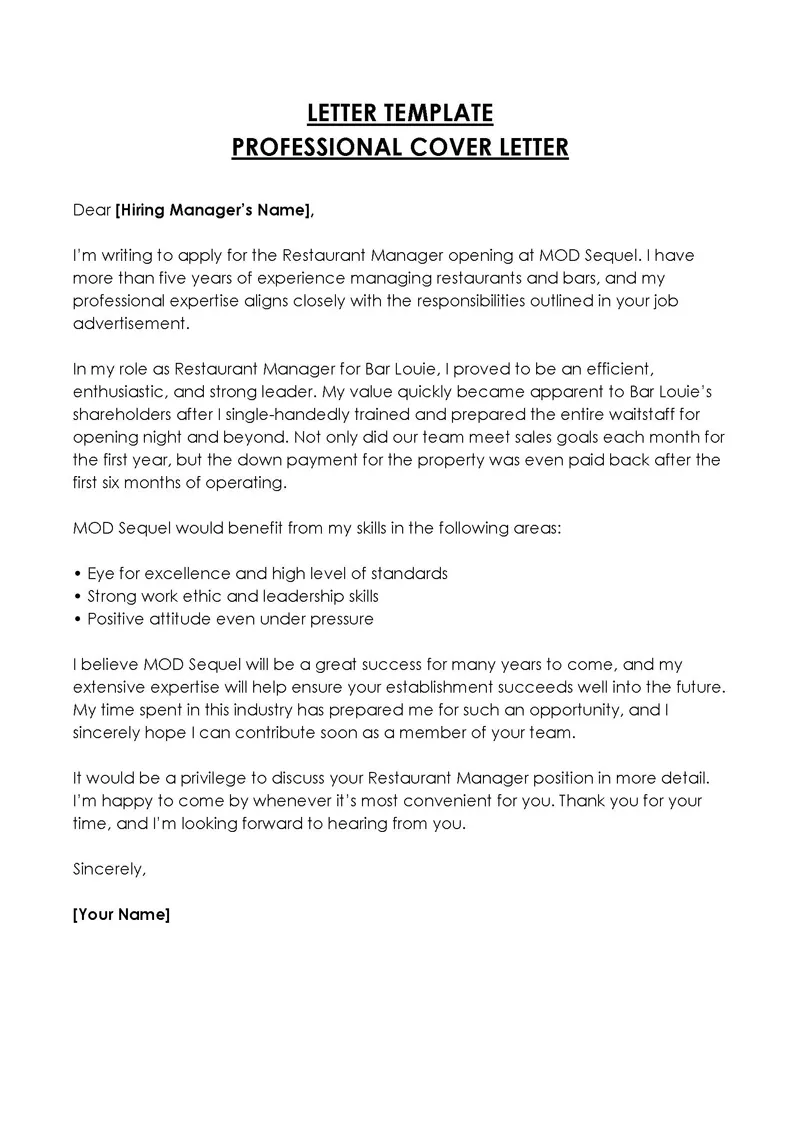
Using examples and templates can help you structure your cover letter effectively. Many online resources provide various cover letter examples and templates, and using these resources can streamline the writing process. These resources provide guidance on structure, content, and formatting. Using these resources helps you to develop a strong cover letter that matches your needs. Learning to utilize cover letter examples is essential to your job search.
Cover Letter Examples for Different Industries
Different industries may have different expectations for cover letter content and format. Research examples specific to your industry to tailor your letter effectively. Tailoring your cover letter ensures it meets industry standards and expectations. Industry-specific examples offer valuable insights to structure your cover letter. This customization ensures the best possible presentation.
Using Cover Letter Templates
Cover letter templates provide a pre-formatted structure that can save time and ensure a professional layout. Templates offer a framework to organize your content effectively. Choosing a template that aligns with the job and your personal style is a great idea. Using a well-designed template provides a foundation for a polished cover letter.
Tips for Tailoring Your Cover Letter
Tailoring your cover letter to each specific job application is essential for making a strong impression. Customization shows employers that you are genuinely interested in the role. Customize your cover letter to increase your chances of getting hired. Highlighting the specific qualifications that match the job description is a must. Customize the cover letter to each application you submit.
Research the Company
Research the company’s mission, values, and recent news. Show that you understand the company’s culture and goals. This helps you to tailor your letter to the company’s needs. Tailoring your letter to the company shows your interest. Demonstrating knowledge of the company’s goals is key.
Highlight Relevant Skills
Focus on the skills and experiences that are most relevant to the job requirements. Use keywords from the job description to demonstrate that you meet the qualifications. Make a direct connection between your qualifications and the job description’s requirements. Show that your experience matches the job’s needs. This helps demonstrate your fit for the role.
Quantify Your Achievements
Whenever possible, quantify your achievements with numbers and data. This provides concrete evidence of your accomplishments. Use numbers to showcase your contributions. This strengthens your claims. Numbers and data clearly demonstrate your impact. The use of quantifiable data strengthens the impact of your achievements.
Keep It Concise
Keep your cover letter concise and to the point. Aim for a single page, if possible. Focus on the most important information. Being concise will grab their attention and convey your key points quickly. This saves the hiring manager time and highlights your key points. Keep it easy to read and to understand.
Proofread Thoroughly
Always proofread your cover letter carefully for any errors in grammar, spelling, and punctuation. Ask someone else to review your letter for a fresh perspective. Ensure the letter is clear and professional. Proofreading and editing ensures your cover letter is polished. Carefully review your document to prevent any mistakes.