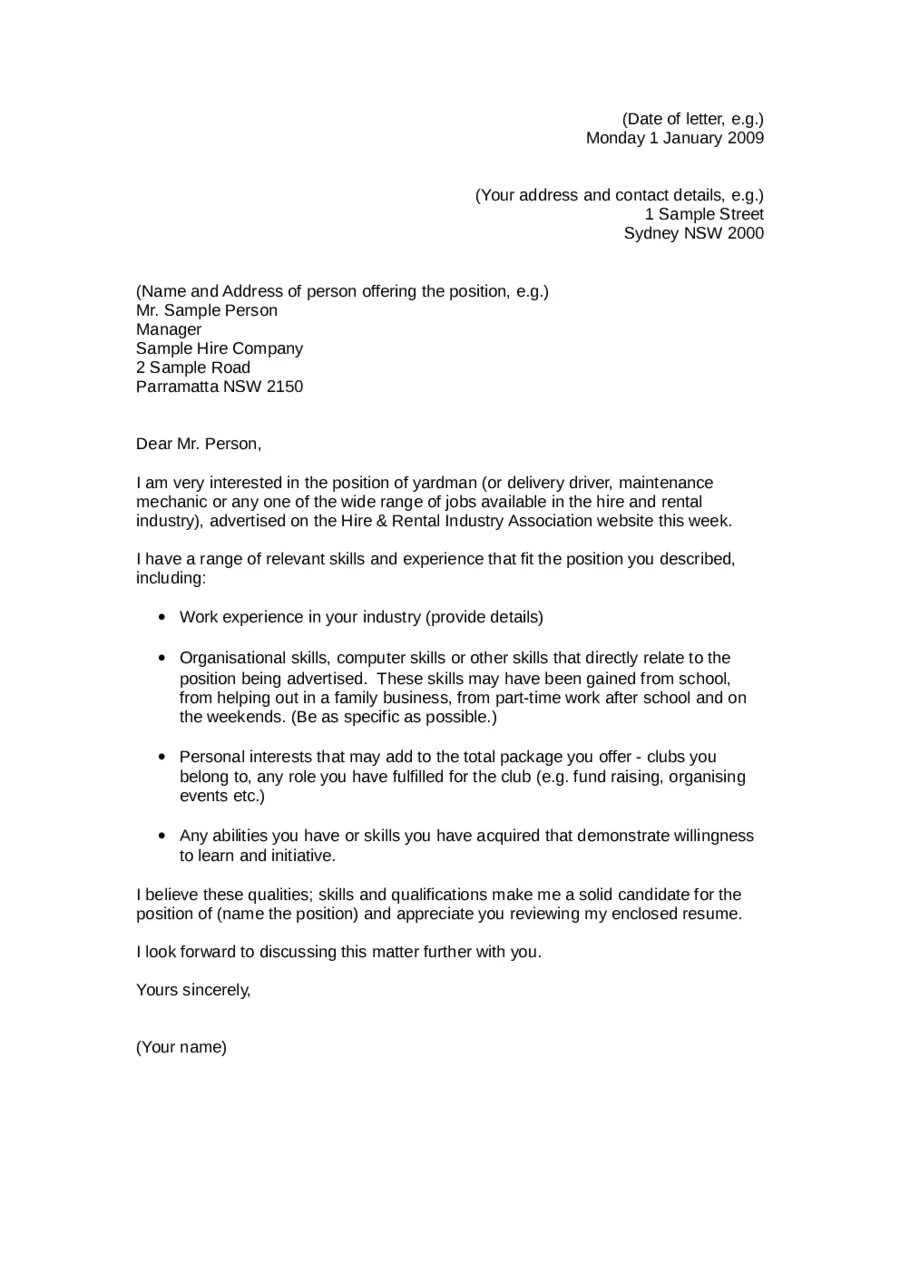
Cover Letter Format Overview
A well-formatted cover letter is a crucial component of any successful job application. It serves as your introduction to a potential employer, providing an opportunity to highlight your qualifications, express your interest in the role, and demonstrate your writing skills. Unlike your resume, which offers a concise overview of your experience, a cover letter allows you to elaborate on specific achievements and connect your skills to the job requirements. Mastering the cover letter format is the first step in making a strong impression and securing an interview. This guide will walk you through the essential elements of a cover letter, from the header and greeting to the body paragraphs and closing, ensuring you create a compelling document that captures the reader’s attention.
Cover Letter Formatting Essentials
Before diving into the content, it’s essential to understand the basic formatting principles that make your cover letter visually appealing and easy to read. Consistent formatting helps to ensure your cover letter looks professional and demonstrates attention to detail, which is crucial in any job application. Proper formatting includes elements like headers, spacing, font choices, and margins. Let’s explore each of these elements to craft a cover letter that leaves a lasting impression. Adhering to a structured format significantly improves readability and showcases your professionalism.
Header Details

The header is the first thing a hiring manager sees, and it establishes your identity and contact information. The header should include your full name, address, phone number, and email address. Place this information at the top of the document, typically on the left side. Use a clear and legible font, and make sure all the information is current and accurate. Your header should be clean, organized, and easy to find. This allows recruiters to quickly identify you and reach out if they are interested in your profile.
Contact Information
Your contact information in the header should be up-to-date and professional. Include your full name, a physical address (optional, but can be helpful), a professional-sounding email address (e.g., firstname.lastname@email.com), and your phone number. Double-check that your email address is active and that your voicemail is set up and ready to receive messages. The contact details should be easy to read and consistent with the information on your resume. Providing reliable contact information ensures that recruiters can easily connect with you.
Professional Greeting
A professional greeting sets the tone for your cover letter. It shows you have taken the time to learn the recruiter’s name. Address the hiring manager by name whenever possible; research their name via LinkedIn or the company website. Use “Dear Mr./Ms./Mx. [Last Name],” If you can’t find a specific name, use a general greeting like “Dear Hiring Manager.” Avoid generic greetings such as “To Whom It May Concern” or “Dear Sir/Madam.” A personalized greeting demonstrates that you have invested time and effort, making a good first impression.
Body Paragraphs Demystified

The body of your cover letter is where you highlight your skills and experience and demonstrate why you are the best candidate for the job. Structure your body paragraphs logically and purposefully. Aim for clarity and brevity. Each paragraph should serve a specific purpose and contribute to your overall narrative. Tailor the content to the specific requirements of the job and the company’s culture. Focus on what you can bring to the table and how your qualifications align with their needs.
First Paragraph Grab Attention
Your opening paragraph should capture the reader’s attention immediately. Clearly state the position you are applying for and how you found the job. Briefly mention what sparked your interest in the role or the company. If you have a personal connection to the company or a referral, mention it here. Avoid generic opening statements; instead, try to express enthusiasm and a specific reason why you are interested. The first paragraph is your hook and should compel the reader to continue.
Second Paragraph Showcasing Skills
In the second paragraph, demonstrate your skills and experience. This is where you connect your qualifications to the job requirements. Review the job description and identify the key skills and experiences the employer is looking for. Provide specific examples from your past roles where you successfully used those skills. Quantify your achievements whenever possible using numbers and data to show the impact you made. Tailor this section to match the job description; highlight only the most relevant skills and experiences.
Third Paragraph: Value Proposition

The third paragraph should articulate your value proposition. Clearly state what you can bring to the company. Discuss how your skills and experiences align with the company’s goals and how you can contribute to their success. Express your understanding of the company’s mission and how you can help them achieve it. Demonstrate your passion and enthusiasm for the position and the company. Conclude this paragraph by summarizing your key strengths and reiterating your interest.
Call to Action
The call to action is a crucial element of your cover letter. It encourages the hiring manager to take the next step. State your interest in an interview and express your willingness to discuss your qualifications in detail. Make it easy for the recruiter to contact you by reiterating your contact information or by specifically stating when you are available. A clear and direct call to action demonstrates your proactive approach and makes it more likely you will be contacted for an interview.
Closing and Sign-off
End your cover letter with a professional closing. Use a formal sign-off such as “Sincerely,” “Regards,” or “Best regards.” Avoid casual closings like “Thanks” or “Cheers.” Below your closing, include four lines for your signature. If sending a digital cover letter, you can type your full name below the signature line. Always proofread your closing and signature area to ensure everything is accurate and professional. A polished ending leaves a lasting impression.
Additional Formatting Tips

Font and Size Recommendations
Choosing the right font and size is essential for readability and professionalism. Stick to standard, professional fonts such as Times New Roman, Arial, or Calibri. Use a font size between 10 and 12 points. Ensure the font is clear and easy to read on any screen or print format. Avoid using overly stylized or unconventional fonts that might distract the reader. The goal is to make the text easy to read and visually appealing.
Margins and Spacing
Proper margins and spacing improve readability and the overall appearance of your cover letter. Use standard one-inch margins on all sides of the document. This provides a good balance of white space, making your text easier to read. Use single-spacing within paragraphs and double-spacing between paragraphs. This spacing helps to visually separate different sections and makes the text more organized. Consistent and appropriate spacing is a sign of professionalism and attention to detail.
Proofreading and Editing

Proofreading is one of the most crucial steps in the cover letter writing process. Always thoroughly proofread your cover letter for any grammatical errors, spelling mistakes, or typos. Read the document several times, and consider having someone else proofread it for you. Errors can undermine your credibility and make a negative impression. Ensure that your language is clear, concise, and professional. Check for proper punctuation and correct sentence structure. Take the time to edit and refine your cover letter to create a polished and compelling document.
Cover Letter Examples
Reviewing cover letter examples can provide valuable insights into effective formatting and content. Search for cover letter templates online or consult career resources for sample cover letters. Pay attention to how the examples are structured, the language used, and the overall tone. Adapt the examples to your specific needs, tailoring the content to match your skills and the job requirements. Examples offer a guide for structuring your cover letter while also providing inspiration on how to best present your qualifications.