Understanding the Student Affairs Landscape
The field of student affairs is dynamic and multifaceted, encompassing a wide array of roles and responsibilities dedicated to supporting student success and well-being. A successful cover letter for student affairs demonstrates a clear understanding of this landscape and how your skills and experiences align with its core values. This means recognizing the diverse needs of students, the importance of fostering inclusive environments, and the critical role that student affairs professionals play in creating positive campus experiences. Student affairs professionals work to create a vibrant and supportive environment that encourages students to excel academically, personally, and professionally. Demonstrate your knowledge of the key functions and the overall mission of student affairs is vital in your cover letter to capture the hiring manager’s interest.
Key Responsibilities in Student Affairs
Student affairs professionals are responsible for a range of duties. These responsibilities include student support services (counseling, advising, health services), student activities, residential life, career services, and diversity and inclusion initiatives. Highlighting your experience or understanding of these areas is critical. Your cover letter should specifically address how your skills and experiences can contribute to these core functions. Think about the specific job description, identify the key responsibilities listed, and provide concrete examples of how you have successfully performed similar tasks in the past. Think about the key duties, and mention them in your cover letter, for example, providing assistance to the students with mental health issues or implementing strategies that promotes diversity and inclusivity.
Highlighting Relevant Skills

When applying for student affairs positions, employers are looking for specific skills. Your cover letter must showcase these skills. Communication, both written and verbal, is essential for interacting with students, faculty, and staff. Leadership and teamwork are also critical, as many roles involve managing teams or collaborating on projects. Conflict resolution, problem-solving, and critical thinking are necessary for addressing student concerns and navigating complex situations. Interpersonal skills, such as empathy, active listening, and cultural sensitivity, are vital for building rapport and creating inclusive environments. Consider your previous experiences and identify instances where you have demonstrated these skills. Providing specific examples will make your claims more compelling and memorable.
Crafting a Compelling Cover Letter
A well-crafted cover letter is your first impression. It should be professional, concise, and tailored to the specific job and institution. The goal is to immediately grab the hiring manager’s attention and demonstrate your suitability for the role. Use a clear and organized structure to guide the reader through your qualifications. Avoid generic statements and instead focus on highlighting your unique skills, experiences, and the value you bring to the position. Remember, the cover letter is an opportunity to tell your story and connect your experiences to the specific needs of the employer. Make sure it is error free and conveys your enthusiasm for the position.
Formatting Your Cover Letter
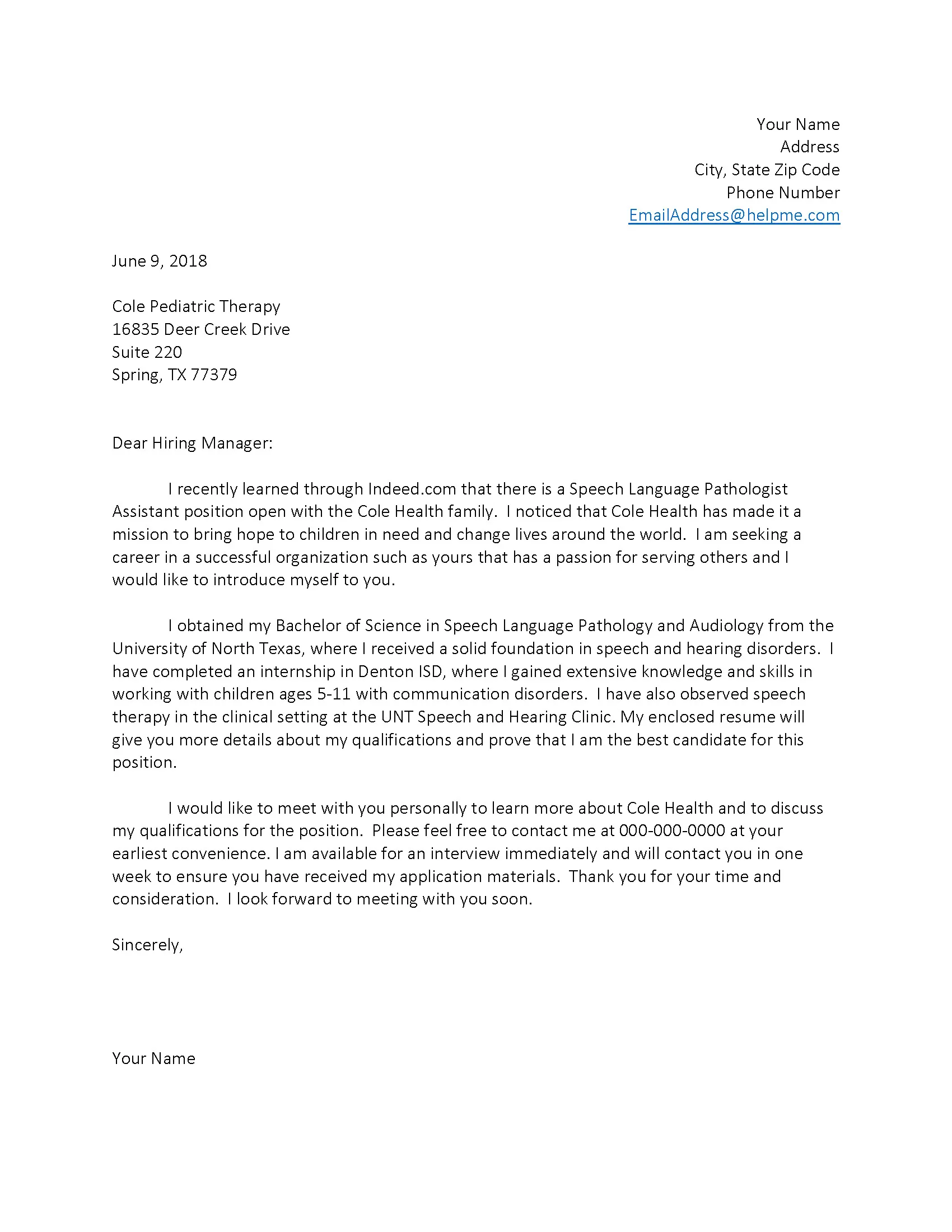
The formatting of your cover letter impacts its readability and professionalism. Use a standard font, such as Times New Roman or Arial, in a 12-point size. Maintain consistent margins (typically one inch on all sides) and use single spacing within paragraphs and double spacing between paragraphs. Be sure to include your contact information at the top of the letter, followed by the date and the hiring manager’s name and title, if known. Break up large blocks of text with short paragraphs and bullet points to enhance readability. Finally, proofread the document carefully to eliminate any errors in grammar or spelling. A well-formatted cover letter shows your attention to detail and professionalism.
Essential Sections of a Cover Letter

A strong cover letter includes several key sections that work together to showcase your qualifications. Your letter should always start with a strong opening, followed by paragraphs highlighting your relevant skills, experiences, and achievements. You then need to provide a brief explanation of why you are the best fit for the job and what makes you unique. Always end with a clear call to action, expressing your enthusiasm for the role and your availability for an interview. Each section should be well-defined and focused to keep the reader engaged. Your objective should be clear and the tone must match the requirements of the job.
Opening Statement
Your opening statement is your first chance to capture the reader’s attention. Start with a brief, enthusiastic introduction that immediately states the position you are applying for and how you learned about it. If you have a personal connection to the institution or the field of student affairs, mentioning it can be a good way to show your genuine interest. Clearly state why you are interested in the position and what makes you excited to apply. Avoid generic phrases; instead, aim for a statement that is specific and engaging. This will set the tone for the rest of your letter and encourage the reader to continue.
Body Paragraphs
The body paragraphs are where you provide detailed information about your qualifications. Use these paragraphs to highlight your skills and experiences that are most relevant to the job description. Use the STAR method (Situation, Task, Action, Result) to describe your accomplishments. Focus on the results you achieved in your previous roles. Quantify your achievements whenever possible. If you increased student engagement, state by how much; if you improved a process, state by how much. This will provide tangible evidence of your capabilities and make your application more persuasive. Tailor the content to match the specific requirements of the job and the needs of the institution.
Closing Statement

Your closing statement should reiterate your interest in the position and express your enthusiasm for the opportunity. Thank the hiring manager for their time and consideration. State that you are available for an interview and provide your contact information. Be sure to keep the tone of the letter professional and upbeat. A strong closing statement leaves a positive and lasting impression. End your cover letter with a confident and professional closing, and an expression of eagerness to learn more about the position.
Showcasing Achievements and Experiences
Highlighting your achievements and experiences is vital to making a convincing case. Instead of simply listing your responsibilities, focus on your accomplishments and the impact you made in previous roles. Use specific examples to demonstrate your skills, knowledge, and abilities. Provide evidence of your achievements whenever possible. For example, instead of saying you improved student retention, mention that you increased student retention by a certain percentage. Your cover letter is your chance to demonstrate why you are the best candidate for the job. Use the STAR method to structure your responses and ensure that you are providing the required details.
Quantifying Your Accomplishments
Quantifying your accomplishments is a powerful way to demonstrate your value to a potential employer. Whenever possible, use numbers and data to illustrate your achievements. Instead of stating you improved student satisfaction, mention that you increased satisfaction scores by a specific percentage. If you implemented a new program, quantify the number of students it benefited or the positive outcomes it produced. Use metrics such as percentages, numbers, or dollar amounts. The more data you provide, the more persuasive your cover letter will be. By providing specific information, you will grab the recruiter’s attention and give a better impression.
Using Action Verbs

Using strong action verbs is critical for writing an effective cover letter. Start each bullet point or sentence that describes an achievement with an action verb to create an impact. These verbs should be descriptive and reflect your contributions. Consider using words such as ‘managed,’ ‘developed,’ ‘implemented,’ ‘coordinated,’ ’led,’ ‘achieved,’ ‘improved,’ or ‘created.’ The action verbs should be relevant to the role and specific examples of how you have demonstrated your skills and experience. This will make your cover letter more dynamic, engaging, and effective.
Tailoring Your Letter to the Specific Job
Personalization is key. Tailor your cover letter to each job and institution. Review the job description carefully and highlight the skills and experiences that are most relevant to the position. Demonstrate that you understand the specific needs of the institution. Show that you are well-suited to the role. This shows the hiring manager that you are genuinely interested in the position and have taken the time to understand the requirements.
Researching the Institution
Before writing your cover letter, research the institution and the specific department or office to which you are applying. Visit the university’s website, read about their mission, values, and strategic goals. Learn about the student affairs programs and initiatives. This research will help you understand the institution’s culture and priorities, allowing you to tailor your letter to align with their needs. Mentioning specific programs or initiatives that resonate with your values is an excellent way to demonstrate your interest and show the hiring manager that you are a good fit.
Matching Skills to Job Requirements

Carefully review the job description and identify the required and preferred skills, qualifications, and experiences. Then, select your experiences that are most relevant to the job and use them as a framework for your cover letter. Use the same keywords and phrases from the job description to demonstrate your understanding. Provide examples of how you have demonstrated those skills in the past. This alignment will make your application stand out. It will show the hiring manager that you are the ideal candidate for the position. By tailoring the cover letter, you will ensure that it aligns perfectly with the job requirements.
Proofreading and Editing Your Cover Letter
Proofreading and editing your cover letter is a crucial step in ensuring that it is polished and professional. Errors in grammar, spelling, or punctuation can create a negative impression and undermine your qualifications. Always read your cover letter several times and look for any mistakes. Ask someone else to review it as a fresh pair of eyes can often catch errors you might miss. Make sure your cover letter is error-free to present your professionalism.
Common Mistakes to Avoid
There are several common mistakes to avoid when writing a cover letter. Avoid using generic language and instead personalize your letter to the specific job and institution. Do not repeat your resume; use your cover letter to provide additional details and context. Refrain from using jargon or acronyms that the reader may not understand. Be positive and enthusiastic, and avoid any negative comments about previous employers or experiences. Finally, ensure that your cover letter is well-formatted and easy to read. Your letter should be free of any errors and should be tailored to grab the hiring manager’s attention.
Seeking Feedback

Seeking feedback is a valuable step in the cover letter writing process. Ask trusted colleagues, mentors, or career services professionals to review your cover letter and provide constructive criticism. Their feedback can help you identify areas for improvement, catch any errors, and ensure that your cover letter is compelling and effective. Be open to their suggestions and make the necessary revisions to create the best possible cover letter.