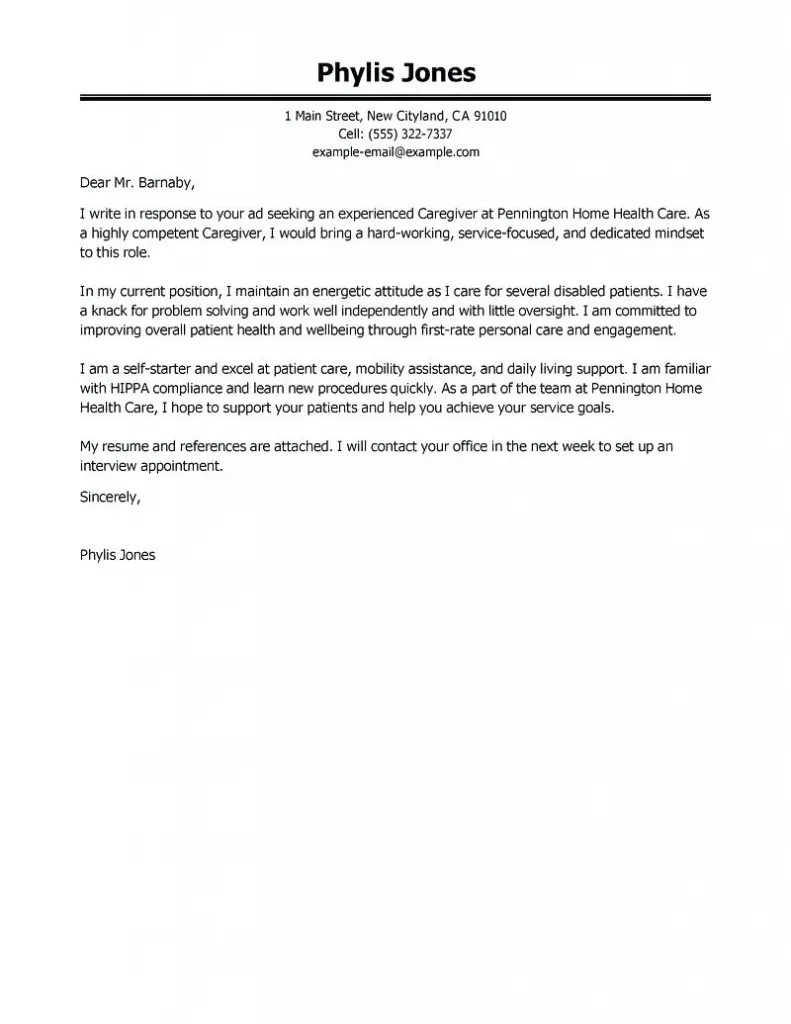
Understanding the Immigration Officer Cover Letter
An immigration officer cover letter is a crucial document that accompanies your immigration application. It serves as your first direct communication with the immigration officer, offering an opportunity to introduce yourself, explain your situation, and emphasize why your application deserves approval. This letter is not just a formality; it’s a chance to present your case clearly, concisely, and persuasively. A well-crafted cover letter can significantly improve your chances of a positive outcome by providing context and clarity to your application. It allows you to frame your narrative and address any potential concerns the officer might have. Therefore, it’s essential to invest time and effort into creating a compelling and informative cover letter tailored to your specific circumstances. The cover letter must be written correctly and concisely in order to leave a good impression to the immigration officer.
Purpose and Importance of the Cover Letter
The primary purpose of an immigration officer cover letter is to provide a concise overview of your application and explain why you are eligible for the requested immigration benefit. It allows you to tell your story in your own words, going beyond the standard forms and documents. This is where you can provide context, clarify any ambiguities, and highlight the most important aspects of your case. Its importance lies in its ability to humanize your application, presenting you as more than just a collection of documents. It’s your opportunity to demonstrate your understanding of the immigration laws, your commitment to compliance, and your genuine intentions. By using a cover letter, you can help the officer understand the bigger picture and make an informed decision. It also shows that you have invested time to make sure your application will be accepted.
Key Components of a Successful Cover Letter

A successful cover letter includes several essential components designed to capture the officer’s attention and effectively convey your message. Start with a formal and professional greeting, addressing the officer by name if possible. Clearly state the purpose of the letter in the opening paragraph, specifying the type of application you are submitting. Provide a brief background about yourself, including relevant personal information and your reason for seeking the immigration benefit. The body of the letter should concisely explain the facts of your case, referencing supporting documents and addressing all required elements. It should also include a detailed explanation of any special circumstances or compelling reasons that support your application. Always conclude by expressing your gratitude for the officer’s time and consideration. Make sure to keep it clear and precise.
Essential Information to Include
Include your full name, date of birth, and any relevant identification numbers, such as your alien registration number or visa number. State the type of immigration benefit you are applying for and the specific form number (e.g., I-130, I-485). Explain the reasons behind your application, providing clear and concise details about your situation. If applicable, provide information about your relationship with the petitioner (for family-based applications) or your employment history (for employment-based applications). Include details about your education, skills, and any other relevant information that supports your application. Always reference the supporting documents you are submitting with your application and make sure to keep it simple for the officer.
Formatting Your Cover Letter
The format of your cover letter should be professional and easy to read. Use a standard business letter format, with a clear and concise layout. Begin with your contact information, followed by the officer’s information (if known) and the date. Use a formal salutation, such as “Dear Immigration Officer.” The body of the letter should be divided into logical paragraphs, each addressing a specific aspect of your case. Use a clear, readable font (e.g., Times New Roman, Arial) and maintain consistent spacing. Proofread carefully to eliminate any grammatical errors or typos. Ensure the letter is one to two pages long, providing sufficient detail without overwhelming the officer. Keep it neat and formatted correctly to ensure a good first impression.
Best Practices for Writing

Use clear, concise language that is easy to understand. Avoid jargon or overly complex sentence structures. Be honest and truthful in all your statements. Support your claims with factual evidence and reference any supporting documents. Tailor your letter to your specific case and the immigration benefit you are seeking. Use a respectful and professional tone throughout the letter. Proofread meticulously to avoid any errors in grammar or spelling. Keep the tone formal and respectful to get the best results for your application. Ensure the letter is well-organized and easy to follow. A professional writing will ensure the application gets through, and will get you the results you need.
How to Address the Immigration Officer
If you know the immigration officer’s name, address them by their full name (e.g., “Dear Officer Smith”). If you do not know the officer’s name, use a formal salutation such as “Dear Immigration Officer,” “Dear Visa Officer,” or “To Whom It May Concern.” Always maintain a respectful and professional tone. Avoid using informal language, slang, or overly casual expressions. If you know their specific title, incorporate it (e.g., “Dear Adjudications Officer”). Ensure your salutation is consistent with the level of formality expected in official correspondence. Using the correct greeting will show your respect and consideration, setting a positive tone for your application. Remember that a professional greeting sets the tone for your entire application.
What to Avoid in Your Cover Letter
Avoid using informal language, slang, or overly casual expressions. Do not include any false or misleading information. Avoid making unsupported claims or exaggerating your situation. Do not use overly emotional or dramatic language. Avoid rambling or providing unnecessary details. Keep your letter concise and to the point. Do not criticize the immigration system or the officers. Refrain from using complex legal jargon that might confuse the officer. Always ensure the content is truthful, relevant, and well-presented.
Common Mistakes to Sidestep

A common mistake is failing to tailor the letter to your specific case. Do not use a generic template without making necessary adjustments. Another mistake is providing inconsistent information with the supporting documents. Always ensure your cover letter and all supporting documents align. A common mistake is neglecting to proofread the letter for errors. Errors can undermine your credibility. Avoid making unsupported claims without providing evidence. Ensure you have sufficient documentation to support your statements. Another mistake is using an unprofessional tone. Always maintain a respectful and professional tone. By avoiding these mistakes, you can significantly improve the quality of your cover letter and increase your chances of a successful outcome.
Proofreading and Editing Your Letter
Proofreading and editing your cover letter is essential for ensuring accuracy and professionalism. Check for grammatical errors, spelling mistakes, and punctuation errors. Ensure that the language is clear, concise, and easy to understand. Verify that all names, dates, and other factual information are correct. Read the letter aloud to catch any awkward phrasing or repetitive sentences. Consider having a friend or family member review your letter for a second opinion. Use grammar and spell-checking tools to identify potential errors. Make revisions based on the feedback you receive. A well-proofread and edited cover letter demonstrates attention to detail and enhances your credibility.
Reviewing Your Cover Letter
Before submitting your cover letter, review it thoroughly. Ensure that all required information is included and that your explanation of the facts is clear and compelling. Check that you have provided sufficient context for your application, and highlight any special circumstances or compelling reasons. Confirm that you have referenced all supporting documents and that the letter aligns with the rest of your application. Make sure that the tone is professional and respectful, and that you have expressed your gratitude to the officer. After reviewing, make final adjustments to ensure your cover letter is a polished and effective representation of your case.
Finalizing and Submitting Your Cover Letter

Once you are satisfied with your cover letter, finalize it by ensuring that it is properly formatted and ready for submission. Print a copy of your letter to include with your application package. Make sure the cover letter is clear and easy to read when included with the other forms. Include the original signed cover letter with your application. Keep a copy of the cover letter for your records. Submit your application package according to the instructions provided by the immigration authorities. Ensure that your cover letter and all supporting documents are organized and easy to review. Once submitted, the cover letter becomes an integral part of your application. Pay close attention to the submission guidelines to avoid any delays or issues.
Making a Strong Impression
To make a strong impression, ensure your cover letter is well-organized, easy to read, and free of errors. Start with a formal greeting and clearly state the purpose of your letter. Provide concise and factual information about your case. Highlight any unique circumstances or compelling reasons that support your application. Use a professional tone and maintain a respectful approach throughout the letter. Proofread your letter carefully and ensure that all information is accurate. By following these guidelines, you can create a cover letter that stands out and makes a positive impact on the immigration officer.
Demonstrating Your Qualifications
Demonstrate your qualifications by highlighting relevant skills, experience, and education. If you have previous work or education, it would be very beneficial. Include any certifications or awards that support your case. Reference any specialized training or knowledge. Be specific and provide concrete examples to back up your claims. Tailor your information to the requirements of your application. It is always important to showcase skills relevant to the immigration benefit you are seeking. By showcasing your qualifications, you enhance your credibility and increase the chances of a favorable outcome. Always make sure that the documentations is ready for the immigration officer.
Highlighting Relevant Skills and Experience

Highlighting relevant skills and experience is crucial for demonstrating your eligibility for an immigration benefit. Showcase skills and experience directly related to the type of visa or benefit you are seeking. Provide detailed examples of how you have used these skills in the past. Mention any awards, certifications, or special training relevant to your application. Quantify your achievements whenever possible to add credibility. Focus on the most important qualifications and how they align with the immigration requirements. By doing so, you will give the immigration officer a better understanding of your case. Providing this information will help you stand out.
Showcasing Your Personality
While maintaining a professional tone is crucial, subtly showcasing your personality can make your cover letter more memorable. Use a sincere and genuine tone to convey your commitment to the application. Share a brief anecdote or personal story to illustrate your situation. Express your gratitude for the officer’s time and consideration in a heartfelt way. Be polite and respectful, but also be authentic. Your personality can make your cover letter more engaging. By adding a touch of your personality, you can make your cover letter more memorable and increase the chances of it resonating with the immigration officer.
Examples of Successful Cover Letters
Studying examples of successful cover letters can provide valuable insights and guidance. Examine cover letters from various immigration scenarios to understand different approaches. Pay attention to the structure, language, and tone used in these examples. Take note of how applicants effectively highlight their qualifications and address any potential issues. Adapt elements from these examples to create a cover letter tailored to your own circumstances. Analyze what makes these letters effective and consider how you can apply those strategies to your own application. Use it as a guide to help you create your own cover letter.
Cover Letter Example

Here is an example of a general cover letter (Remember to tailor it to your specific needs). [Your Name] [Your Address] [Your Phone Number] [Your Email] [Date] Immigration Officer [Immigration Office Address] Subject: Application for [Type of Visa/Benefit] Dear Officer, I am writing to you today to apply for [Type of Visa/Benefit]. My name is [Your Full Name], and my date of birth is [Your Date of Birth]. I am submitting this application with the supporting documents as listed below. I am applying for this [Type of Visa/Benefit] because [Explain your reasons]. I believe that I meet all the requirements and am fully eligible. I am thankful for your time and consideration. Please find the attached documents. Sincerely, [Your Signature] [Your Typed Name].
Adapting for Different Immigration Scenarios
The approach to writing a cover letter varies based on the specific immigration scenario. For family-based applications, focus on the relationship between the petitioner and beneficiary. Highlight the genuine nature of the relationship and provide evidence of your commitment. For employment-based applications, emphasize your skills, experience, and the value you bring to the employer. Reference job offers and the impact of your work. For asylum or refugee applications, provide a detailed account of the persecution you have faced. Include specific instances and explain how you meet the requirements. Tailor your cover letter to each situation. By adapting your cover letter to the unique requirements of each case, you increase your chances of a positive outcome.