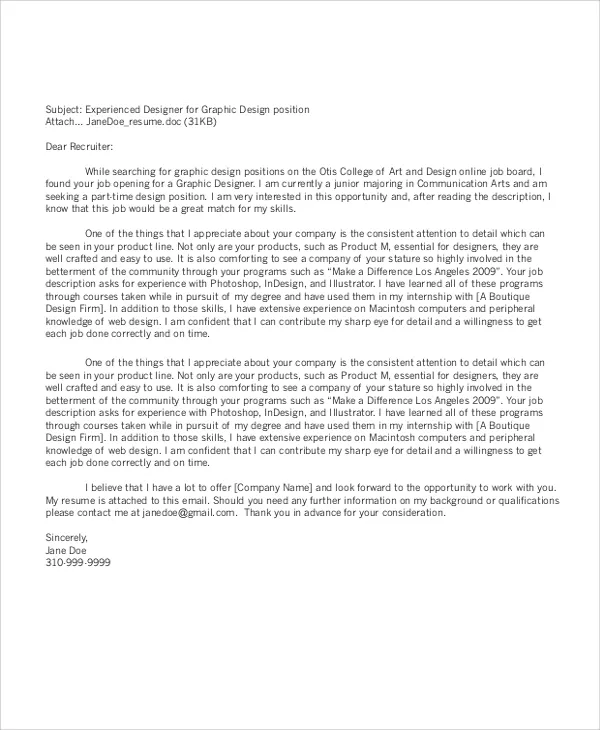
Understanding Cover Letter Design
In today’s competitive job market, a well-designed cover letter can significantly increase your chances of landing an interview. More than just a formality, the cover letter serves as your first impression, allowing you to showcase your personality, skills, and enthusiasm for the position. A thoughtfully designed cover letter demonstrates your attention to detail, creativity, and understanding of professional communication. Ignoring the design aspect is a missed opportunity to make a lasting positive impact. The design choices you make, from the font to the layout, communicate volumes about your brand and professionalism. By carefully considering the visual presentation, you can ensure your application stands out from the pile and grabs the hiring manager’s attention from the start.
Why Cover Letter Design Matters
Design plays a crucial role in how your cover letter is perceived. A visually appealing layout makes your letter easier to read and digest, which can keep the hiring manager engaged. Poor design choices, on the other hand, can lead to a negative first impression. A cluttered or poorly formatted letter can suggest a lack of professionalism, attention to detail, or even a misunderstanding of the role’s requirements. Conversely, a cover letter that is well-designed and aesthetically pleasing shows that you care about your presentation and take pride in your work. Furthermore, the design helps in highlighting key information, making it easier for the reader to quickly grasp your qualifications and experience. This can be the difference between your application being considered or overlooked.
Key Elements of Effective Cover Letter Design

Several key elements contribute to an effective cover letter design. Choosing a readable font is essential. Fonts like Arial, Calibri, or Times New Roman are generally safe choices, though modern fonts like Open Sans or Lato can also work well. The layout must be clean and organized, using white space effectively to avoid a cramped appearance. A good design uses a visual hierarchy that guides the reader’s eye to the most important information, such as your skills and accomplishments. This can be achieved by using headings, subheadings, bullet points, and strategically placed bold text. Consistent use of margins, spacing, and alignment throughout the document is also crucial for a professional look. Finally, the design should be relevant to the industry and role; for example, a creative position might benefit from a more visually dynamic design.
Top 5 Cover Letter Design Samples
Sample 1 Modern and Minimalist
This design prioritizes clean lines and ample white space. It’s perfect for industries where professionalism and clarity are key. Think of tech companies, consulting firms, or any role that values direct communication. The minimalist approach allows your content to speak for itself, reducing distractions and emphasizing the most important information. A simple color palette, often using grayscale with a single accent color, keeps the focus on the content. This style often uses a sans-serif font and a clear, easy-to-follow layout. Such designs show you’re up-to-date with current design trends and understand how to make a strong impression through subtlety.
Layout and Typography

The layout in a modern and minimalist cover letter is crucial. It’s designed for readability. Consider using a two-column layout to make it easy for the hiring manager to scan quickly. Use a clean, sans-serif font in a readable size (11-12 points). Maintain consistent margins and spacing throughout the document. Avoid over-complicating the layout; keep the focus on the content. The use of headings and subheadings should be clear, making it easy to navigate the information. This minimalist approach allows the content to stand out. The design makes it easy to digest information quickly.
Color Palette and Visuals
The color palette in a modern and minimalist design is typically understated, featuring a limited number of colors to create a cohesive look. Usually, it uses a neutral base such as white or light grey, with one or two accent colors used sparingly. The accent colors can draw attention to important information such as your name, contact details, or key skills. The images, if included, should be simple and high-quality. Stick to icons or subtle graphic elements that enhance the design without distracting from the content. The goal is to achieve a professional and clean aesthetic, which makes your cover letter visually appealing and easy to read.
Sample 2 Creative and Bold
This design is best suited for creative roles such as graphic design, marketing, or any field where artistic flair is appreciated. This style allows for more visual freedom, incorporating bold colors, unique typography, and graphic elements. However, it’s essential to maintain professionalism. Make sure your design reflects your personal brand while still being appropriate for the job. The layout may be asymmetrical or more visually dynamic, creating a sense of energy and innovation. Ensure that any images or graphics are high-quality and add value to the design, rather than cluttering it. This style demonstrates your creativity and ability to think outside the box, making you a memorable candidate.
Use of Graphics and Illustrations

In a creative and bold cover letter, the use of graphics and illustrations is integral to the design. Consider incorporating custom illustrations, icons, or even photographs. These elements should be high-quality and relevant to your brand and the role you’re applying for. Ensure that the graphics align with the overall tone of your cover letter and make your application stand out from the crowd. The use of graphics also presents the perfect opportunity to show off your creative skills. However, don’t go overboard: use graphics judiciously to support your content and enhance the message. A well-placed graphic can make the cover letter memorable.
Font Choices and Branding
The font choices in a creative cover letter contribute to its overall brand. You may use unique and expressive fonts that reflect your style and the specific role. Consider experimenting with different font pairings to create visual interest and balance. Consistency is key; ensure that the fonts you choose align with your personal brand and any existing branding you might have. This might include your portfolio or website. Pay attention to font weights, sizes, and styles. The selection should be appropriate for the industry and the tone of the role. The fonts become integral to your brand, so select them to show who you are.
Sample 3 Professional and Clean
This design strikes a balance between formality and approachability, making it suitable for a wide range of industries, including finance, law, and healthcare. It features a clean layout, legible fonts, and a moderate use of color. The emphasis is on clear communication and a polished presentation. The design is straightforward and easy to read, guiding the reader through the information efficiently. This approach communicates professionalism and attention to detail, ensuring that your qualifications are clearly presented. The key is to create a design that is both visually pleasing and easy to digest, leaving a positive impression on the hiring manager. Using such a cover letter creates the impression you’re a professional candidate.
Structure and Formatting

In a professional and clean cover letter design, structure and formatting play a key role in establishing the overall impression. Use a clear and logical layout, with plenty of white space to avoid a cluttered look. The structure should follow the standard cover letter format, including contact information, a formal greeting, a brief introduction, body paragraphs highlighting your key skills and experiences, and a closing with a call to action. The font should be clear and easy to read, like Times New Roman or Arial. Using headings and subheadings can break up the text and make it easier to scan. Consistent margins, spacing, and alignment are important to create a professional look. This clear structure demonstrates your ability to communicate effectively.
Contact Information and Headings
The contact information and headings in your cover letter must be easy to find and clearly formatted. Place your contact details at the top, including your name, phone number, email address, and professional social media profiles. Use clear and concise headings to identify different sections, such as the greeting, introduction, body paragraphs, and conclusion. Using a slightly larger font size for your name and contact details can help them stand out. Ensure the headings are consistent in terms of style, size, and formatting, and align them properly within the layout. This will help the hiring manager find the information quickly and demonstrate your attention to detail.
Sample 4 Personalized and Unique
This design is tailored to reflect your personality and unique qualities, making you stand out from the crowd. The key is to show your personal brand. It’s suitable for roles where creativity and individuality are valued, such as social media, marketing, or any position where you interact with clients and customers. The design should be visually engaging and incorporate elements that showcase your personality, skills, and experience. This could include a creative layout, personalized graphics, or a unique use of color and typography. You need to demonstrate your unique style and how you could be an asset. The goal is to create a memorable and impactful application. However, make sure it is professional.
Tone and Voice

In a personalized cover letter, your tone and voice should reflect your unique personality. This approach must be consistent with your personal brand and be appropriate for the role. Use a conversational tone that feels natural and authentic, avoiding overly formal language. Inject personality and passion into your writing. Demonstrate your genuine interest in the company and the position, and show your enthusiasm. The tone should be engaging and captivating. The voice you use should be professional while also allowing your personality to shine through. This approach helps to establish a connection with the reader.
Formatting and Overall Impression
The formatting of a personalized cover letter should complement the tone and voice you’ve established. Consider using a layout that is less conventional. Experiment with layout, font choices, and graphics. This could mean a creative layout, unique typography, or the incorporation of custom illustrations. The overall impression you create should be memorable and reflect your individuality and attention to detail. Ensure that your cover letter is polished and professional, even with a more creative approach. This attention to detail shows that you are the best fit for the role. Use this to showcase your unique style.
Sample 5 Functional and Informative
This design emphasizes the clear and efficient presentation of information. It is ideal for roles where a straightforward and professional approach is expected, such as in scientific, technical, or administrative positions. The focus is on the structure, clarity, and readability, ensuring that the hiring manager can quickly understand your qualifications. The design is often simple and clean, with a focus on clear headings, bullet points, and concise writing. The format should be easy to read and navigate. This approach shows you’re detail-oriented. The goal is to make it easy to assess your credentials and experience. This design helps ensure that your application gets the attention it deserves.
Clarity and Conciseness

The main feature of a functional and informative cover letter design is the clarity and conciseness of the information. Use clear, direct language to get your message across. Avoid jargon and overly complex sentences. Instead, make sure the key information is easy to understand. Focus on highlighting your relevant skills and experience in a concise and efficient manner. Use short, well-written paragraphs, and utilize bullet points to break up the text and improve readability. Make sure your cover letter is easy to scan and digest. This approach demonstrates your ability to communicate effectively and efficiently, which is essential in a professional setting.
Visual Hierarchy and Readability
Ensure visual hierarchy and readability are optimized for clarity and ease of understanding. Use headings, subheadings, and bullet points to break up the text and guide the reader through the document. Ensure that the font size and style are easy on the eyes. Use a consistent font size and style throughout the letter. Leave ample white space between paragraphs, headings, and other elements. This helps to avoid a cluttered appearance and makes it easier for the reader to focus on the content. Highlighting key information, such as your skills and achievements, can help them stand out. These techniques make your cover letter easy to navigate. It enables the hiring manager to find what they need quickly.
Tips for Adapting Cover Letter Designs
Adapting cover letter designs requires tailoring your approach to the specific job and showcasing your brand while ensuring compatibility and accessibility. Each of these considerations will improve the overall impact of your application. The process involves research, thoughtful design choices, and a keen understanding of your audience. The effort you put into creating a compelling cover letter design will make you stand out to potential employers.
Tailoring to the Specific Job
The best cover letter designs are specifically tailored to the job you’re applying for. Start by carefully reviewing the job description and identifying the key skills and experiences the employer is looking for. Then, customize your cover letter to highlight these aspects, using relevant keywords and phrases. Research the company’s brand and values to align your design choices with their culture. Modify the design elements. The goal is to create a cohesive and compelling narrative that demonstrates why you are the perfect fit for the position. A tailored design will demonstrate that you’ve taken the time to understand the role and are committed to the opportunity.
Matching Design to Your Brand
Your cover letter design should reflect your personal brand. Think about what you want to communicate about your personality, skills, and experience. If you have a portfolio or a website, consider integrating elements from your existing branding into your cover letter design. Use colors, fonts, and graphic elements that align with your overall brand identity. This will create a consistent and cohesive brand presence across all your application materials. Make your cover letter an extension of your professional brand. This helps make you memorable.
Ensuring Compatibility and Accessibility
In the process of designing, make sure to consider compatibility and accessibility. Make sure your cover letter is easily viewed on different devices. Your cover letter should open on all platforms. Consider using a PDF format to preserve your formatting. Ensure your design is accessible to everyone, including those with visual impairments. This involves using high-contrast colors, clear fonts, and alternative text for any images or graphics you include. Choose a design that is easy to read and navigate for anyone, and double-check the design before you submit your application. This approach ensures your design is inclusive and easy to assess.