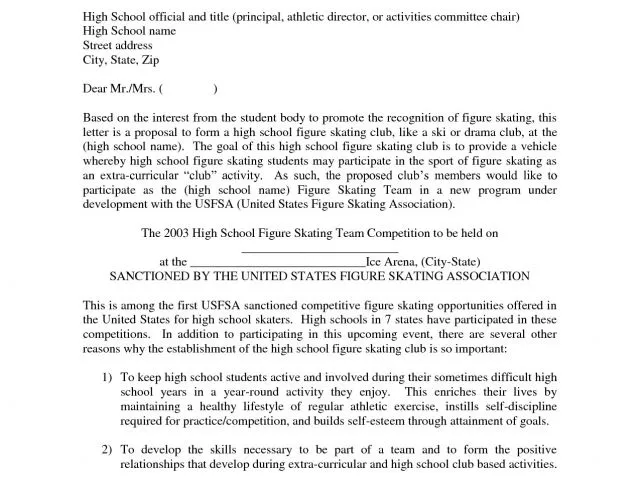
Why a Cover Letter is Critical
In the competitive landscape of proposal submissions, a well-crafted cover letter serves as your initial handshake, setting the stage for a positive first impression. It’s more than just a formality; it’s a crucial opportunity to demonstrate your understanding of the project, highlight your unique value proposition, and persuade the reader to delve deeper into your proposal. Think of it as your personal introduction, a chance to make a compelling case for why your company or you are the ideal choice. A strong cover letter can be the deciding factor, especially when proposals are closely matched in terms of qualifications and pricing. It allows you to add a personal touch, showcase your enthusiasm, and establish a connection with the recipient before they even begin reading the main document. A weak or generic cover letter, on the other hand, can be detrimental, immediately signaling a lack of attention to detail or a misunderstanding of the project’s requirements.
Importance of a Cover Letter for Proposal Submissions
The importance of a cover letter in proposal submissions cannot be overstated. It is the first document the recipient will see, and it shapes their initial perception of your entire submission. It is your opportunity to capture their attention, communicate your understanding of their needs, and distinguish yourself from other applicants. It allows you to provide context for your proposal, summarizing its key elements and highlighting the benefits that make you the best fit. A well-written cover letter sets the tone for a professional and thoughtful response, demonstrating that you’ve invested time and care into crafting your submission. It acts as a roadmap, guiding the reader through the essential points and encouraging them to explore the proposal in detail. The cover letter is the perfect tool for highlighting your ability to address the specific needs of the project and to showcase the benefits of choosing you. It conveys your eagerness, professionalism, and dedication to the project’s success.
1. Tailor Your Cover Letter to the Specific Proposal

Generic cover letters are easily recognized and often discarded. The first secret to an outstanding cover letter is customization. Every proposal is unique, and your cover letter should reflect that understanding. Start by thoroughly reviewing the request for proposal (RFP) or project guidelines. Identify the specific needs, challenges, and objectives outlined by the client. Then, tailor your cover letter to directly address these points. Use the client’s language, and demonstrate that you’ve taken the time to comprehend their requirements. Show that you have read and understood the requirements of the project. This personalized approach immediately grabs attention and demonstrates that you’re serious about the opportunity. It shows that you’re not just sending a template, but that you’ve considered the specifics of the project and how you can contribute. Address the main concerns of the potential client directly, and explain how you can resolve them. Remember, the purpose of the cover letter is to convince the client that you are the best fit for the specific job.
Highlighting Relevant Skills and Experience
Once you’ve addressed the specific project needs, the next step is to highlight the skills and experience that make you uniquely qualified. Don’t just list your qualifications; connect them to the specific requirements outlined in the proposal. Give examples of how your past experiences align with the project’s needs. If the RFP emphasizes a particular skill, make sure to showcase your expertise in that area. Use concrete examples to back up your claims. Instead of saying you have “project management experience,” describe a specific project where you successfully managed deadlines, budgets, and teams. This creates a stronger connection with the reader and provides tangible evidence of your capabilities. Mention any certifications, awards, or other accomplishments that are relevant to the project, and explain why these credentials make you a strong candidate. Showcase how you have resolved similar problems and how you have achieved your goals.
Demonstrating Understanding of the Project’s Needs
Beyond skills and experience, demonstrate your understanding of the project’s broader context. Research the client and their previous projects. Show that you’re aware of their goals, challenges, and priorities. This demonstrates that you are serious about the project. If the project is part of a larger initiative, show that you understand how your work will contribute to the bigger picture. Offer insights and perspectives that showcase your strategic thinking. For example, you can offer a short analysis of the challenges and potential opportunities in the project. This can set you apart from other submissions. Frame your approach in terms of the client’s objectives. Emphasize how your work will help them achieve their desired outcomes. Always put the client’s needs first; the more the potential client sees you are capable of resolving their issues, the higher your chances of success.
2. Showcase Your Unique Value Proposition

In a crowded field of applicants, it’s essential to differentiate yourself. Your unique value proposition (UVP) is what sets you apart. This is the unique combination of skills, experience, and approach that makes you the best choice for the project. Identify your key differentiators. What do you offer that others don’t? It could be a specific technology, a unique methodology, or a specialized skill set. Make sure your UVP is relevant to the project’s needs. How can your unique approach address the client’s specific challenges and goals? Frame your UVP in terms of the benefits it offers the client. How will your approach save them time, reduce costs, or improve outcomes? Always express your value in terms of what the client stands to gain by choosing you. Clearly communicate your competitive advantages. How are you better than the competition? Support your claims with evidence. Provide examples, case studies, or testimonials to demonstrate the effectiveness of your approach.
Identifying Your Key Differentiators
What sets you apart from the competition? Do you have a unique approach to problem-solving? Do you have specialized knowledge? What are your key differentiators? Identify the aspects of your skills or business that set you apart from the competition. Do you offer a unique approach, a special skill, or a specialized knowledge? Your differentiators should align with the needs of the client and the project. Make sure these unique elements address the client’s needs. Showcase your expertise. Highlight the areas where you excel and can provide the most value. Quantify your achievements whenever possible. Instead of saying you improved efficiency, state the percentage by which you improved it. Use concrete numbers to demonstrate the value of your work.
Communicating Your Competitive Advantages
Once you’ve identified your differentiators, you need to clearly communicate your competitive advantages. How are you better than the competition? Support your claims with evidence. This can be done by showing case studies or testimonials to showcase your successful projects. Clearly and concisely articulate what makes you the best choice for the project. Focus on the benefits you offer the client. How will you help them achieve their goals? Emphasize the results you have achieved in similar projects. Provide measurable metrics and results. This solidifies your claim, and it highlights your value to the client. Use a confident and professional tone. Avoid making vague statements or unsubstantiated claims. Be clear, concise, and direct. Back up your arguments with real-world examples.
3. Keep it Concise and Focused

Your cover letter should be brief and to the point. It’s a summary of your proposal, not a complete retelling. Respect the reader’s time by getting straight to the most important points. Aim for a single page. Anything longer risks losing the reader’s attention. Use concise language. Avoid unnecessary jargon or overly complex sentence structures. Every word should serve a purpose. The goal is to communicate your key points effectively and efficiently. Structure your cover letter logically. Use clear headings, bullet points, and short paragraphs to make it easy to read. The structure helps the reader quickly grasp your main points. Ensure that your cover letter flows seamlessly, with each paragraph building on the previous one. Break up long blocks of text to make your cover letter more visually appealing and easier to scan. Avoid using lengthy and complex paragraphs.
Structuring Your Cover Letter for Clarity
A well-structured cover letter guides the reader through your key points, making it easy for them to understand your value. Start with a strong opening that immediately captures attention. State the purpose of your letter and the project you’re responding to. Then, briefly summarize your key qualifications. Highlight the skills and experience that make you the ideal choice. Use short paragraphs and bullet points to break up the text and improve readability. Organize your content logically, following a clear flow. Address each point clearly and concisely. A well-structured cover letter will get the reader’s attention quickly and showcase your capabilities.
Avoiding Unnecessary Jargon and Length
Keep your writing clear and accessible. Avoid using technical jargon or overly complex language. While it’s important to showcase your expertise, doing so should not come at the expense of clarity. The reader should understand your key points quickly and easily. Keep your cover letter concise. Aim for a single page, if possible. Be selective about what you include, and focus on the most relevant and impactful information. Every word should add value to your message. Make every sentence count; if there are words that don’t contribute, then you should delete them. Remember to include a strong call to action to close the letter; this is crucial to invite the reader to continue exploring your proposal. State the key points, and end on a positive note. This will help the reader remember your cover letter. Do not include extraneous information; it’s better to have a short, direct, and persuasive letter than a long and unclear one.
4. Use a Professional and Engaging Tone

Your tone sets the overall impression of your professionalism and expertise. While maintaining a professional tone, inject enthusiasm and personality into your writing. Let your passion for the project shine through. Show that you are genuinely interested in the opportunity and eager to contribute. Make your letter sound like you’re speaking directly to the reader. Avoid sounding like you’re simply regurgitating information. Write in a way that expresses your confidence in your ability to deliver. Avoid making vague claims. Make your claims clear, with a confident and respectful tone. Use active voice. Active voice makes your writing more direct and engaging. Write in a way that expresses your confidence in your ability to deliver.
Writing in a Positive and Confident Voice
Use a positive and confident voice throughout your cover letter. This establishes credibility and inspires trust. Highlight your successes. Use language that conveys certainty and assurance in your abilities. Avoid being overly assertive. Find a balance between demonstrating confidence and maintaining a respectful tone. Emphasize what you can do for the client. Use language that conveys your assurance in your skills and abilities. Avoid using any negative language or self-deprecating statements. Instead, focus on your strengths. Use dynamic action verbs and strong, descriptive adjectives to highlight your experience. Your cover letter should exude a positive and confident image. Let your passion and eagerness for the project shine through.
Avoiding Clichés and Generic Phrases
Clichés and generic phrases can make your cover letter sound impersonal and unoriginal. Avoid using overused phrases. They can weaken your message and dilute the impact of your writing. Be as original as possible. Write your cover letter in a way that expresses your unique voice and perspective. Highlight the areas where you excel. Use a professional tone and be clear and concise. Refrain from including vague statements; support your points with specific examples and data. Review your cover letter. Make sure it is original and reflects your personality.
5. Proofread and Edit Meticulously

Errors in your cover letter, such as typos, grammatical errors, and formatting issues, can undermine your credibility and damage your chances of winning the project. Before you submit your proposal, take the time to meticulously proofread and edit your cover letter. Read the letter aloud. This helps you catch errors that you might miss when reading silently. Use a grammar checker. Utilize tools to identify and correct spelling and grammar mistakes. Consider having someone else proofread your cover letter. Another pair of eyes can catch errors that you may overlook. Verify your contact information. Ensure that all your contact details are correct and up-to-date. Make a positive impression. A polished and error-free cover letter shows that you pay attention to detail.
Ensuring Accuracy and Professionalism
Accuracy and professionalism are vital. Before sending your proposal, take the time to make sure your cover letter is accurate. Verify that your contact information is correct. Ensure that your letter is formatted properly and is easy to read. Maintain professionalism in your tone, language, and overall presentation. Correct all spelling and grammatical errors. The way you present yourself in your cover letter will convey a sense of your work and your company. Do not rush. Take the time to refine and polish your work. Make sure your document is accurate, professional, and error-free. Proofreading and editing is essential for demonstrating your attention to detail and ensuring a positive first impression.
Checking for Grammatical Errors and Typos
Typos and grammatical errors can significantly reduce your credibility. Correct all spelling mistakes. Eliminate any grammar errors. Ensure that your cover letter flows seamlessly. Make sure your sentences are clear. Pay close attention to word choice and sentence structure. Read the cover letter aloud to catch any errors. Use a grammar checker to ensure accuracy. Consider having another person proofread the letter. A second pair of eyes can often spot errors that you may miss. A perfectly written cover letter demonstrates your professionalism. An error-free document can make a strong first impression. It helps you stand out from other applicants. It is an essential aspect of a successful proposal submission.