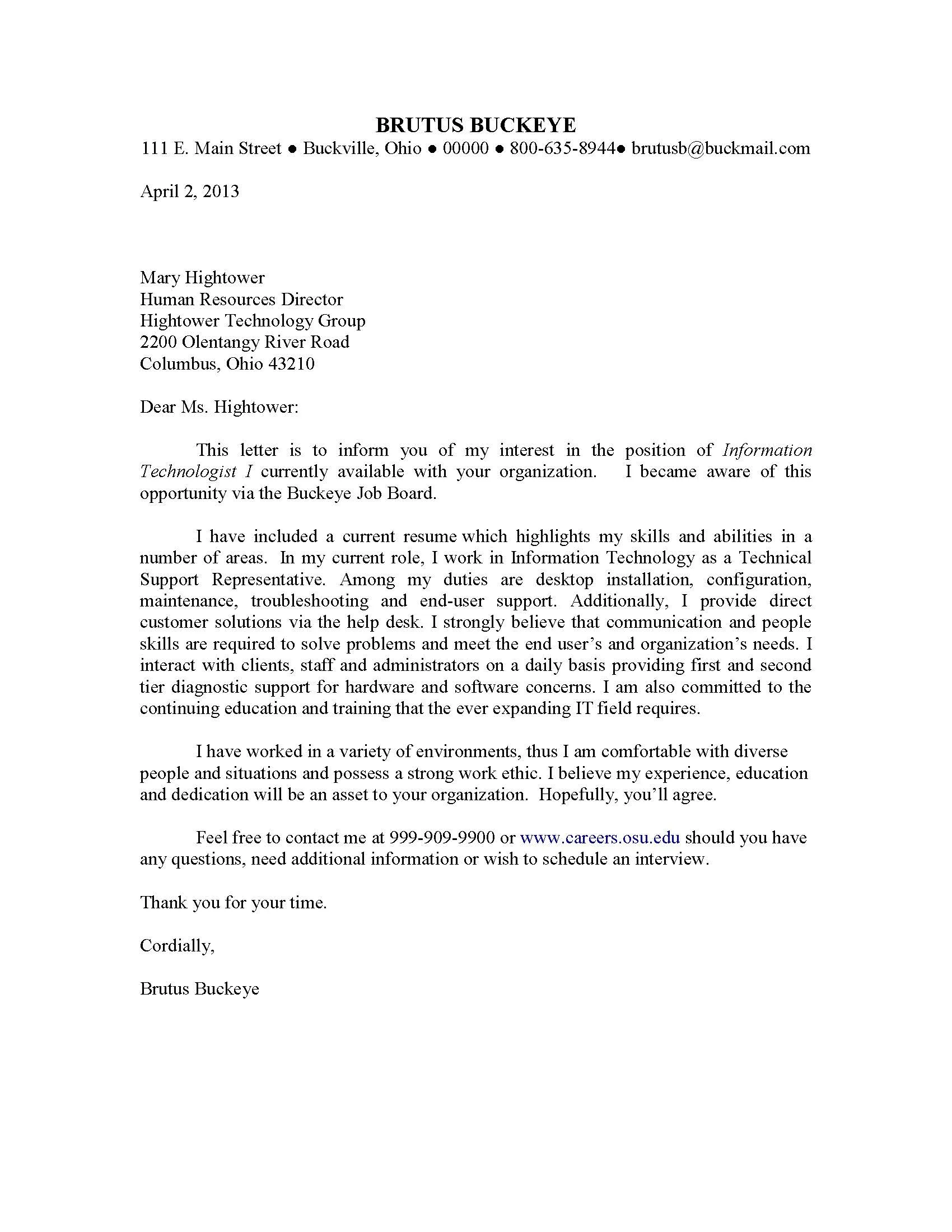
Why You Need a Cover Letter
In the competitive world of internal postings, a well-crafted cover letter is not just a formality its your chance to shine. It’s your unique opportunity to go beyond the resume and tell your story, demonstrating why you’re the perfect fit for the role. A cover letter allows you to showcase your personality, skills, and accomplishments in a way that a resume often can’t. It’s your personal pitch, a glimpse into your professional potential, and a crucial step in securing your desired position. Internal postings are often highly sought after, and a standout cover letter can set you apart from other candidates, highlighting your genuine interest and qualifications for the role. This is particularly important as hiring managers often rely on these letters to assess a candidates fit within the company culture and their overall understanding of the new position’s requirements. A cover letter gives you a valuable platform to articulate your career goals and how they align with the company’s objectives, proving that your vision fits perfectly with the team.
Cover Letter: Highlight Your Skills
Your cover letter should be a tailored showcase of your relevant skills. Don’t just list your abilities; demonstrate how you’ve utilized them to achieve specific results. Think of your cover letter as an extension of your resume, but with a focus on narrative. Instead of just stating ‘Proficient in project management,’ provide an example ‘Successfully managed cross-functional projects, delivering on time and under budget.’ This approach not only highlights your skills but also provides concrete evidence of your capabilities, making your application more compelling. Mention specific technologies or software proficiency that relate to the job description. Customize your cover letter to emphasize your understanding of the companies requirements and the expectations related to the new internal posting position. Quantify your achievements whenever possible. For example, state the percentage of project success you have managed, or the number of people on your team.
Focus on Your Accomplishments

It’s not enough to simply list your job responsibilities. Use your cover letter to focus on your accomplishments and quantifiable results. Instead of saying ‘Managed customer accounts,’ state ‘Increased customer retention by 15% through proactive relationship management.’ Such statements immediately capture the reader’s attention and prove your value. Highlight projects where you exceeded expectations, improved processes, or contributed to the company’s success. Providing concrete examples and data makes your application significantly more powerful. Show, don’t just tell. Back up your claims with evidence. Providing quantifiable results demonstrates your ability to make a tangible impact, which will make you stand out from other candidates. Your accomplishments should directly relate to the skills and requirements outlined in the job posting. Aligning your achievements with the needs of the role shows that you are the perfect fit.
Use Strong Action Verbs
Using action verbs can transform your cover letter from a passive document to an active, engaging narrative. Start each bullet point or sentence describing your accomplishments with strong, dynamic verbs that create impact. Verbs such as ‘achieved’, ’led’, ‘implemented’, ‘managed’, ‘developed’, and ‘optimized’ can help convey a sense of initiative and capability. Avoid weak phrases like ‘responsible for’ or ‘assisted with’. Instead, show how you took charge and made a difference. By using strong action verbs, you clearly define the role you have and the outcomes you deliver. Furthermore, action verbs create a sense of momentum, helping you to draw the reader into your letter and creating a lasting positive impression. Consider creating a personal list of impactful verbs to use in your letter, ensuring that each word you select reflects your proactive work ethic and skills.
Tailor Your Letter
Generic cover letters are easy to spot and often get overlooked. To truly impress, you must tailor each cover letter to the specific role and company you’re applying to. Research the internal posting details and the company’s specific needs. Customize your cover letter to show you understand the role’s requirements. Demonstrate your genuine interest in the position and your understanding of the company’s goals and values. Use the job description as your guide, and match your skills and experiences to the required qualifications. Mention specific projects or initiatives you can contribute to, demonstrating that you’ve done your homework. Address the hiring manager by name if possible; it shows that you have taken the time to connect personally. Show how your previous experience translates into success within the new role. Use the language of the posting and highlight the key terms, so you are seen as the best fit.
Research the Company and Role

Before starting your cover letter, conduct thorough research on the company and the specific role you’re applying for. This goes beyond a quick glance at the company website; it involves understanding the company’s values, current projects, and future goals. Visit the company website, review their social media presence, and read any recent news articles. This will give you insight into their mission, culture, and current challenges. Understanding the role is equally important. Carefully examine the job description, paying close attention to the required skills, responsibilities, and expectations. Tailor your cover letter to reflect your alignment with these needs. Show that you have a clear understanding of what the role entails and how you can contribute to the organization’s success. Demonstrate your understanding of the company’s current projects, and share how your skill set makes you perfect for the role.
Showcase Your Enthusiasm
Your cover letter is your chance to communicate your enthusiasm for the position and the company. Show your genuine interest and passion for the opportunity. Use language that conveys excitement and demonstrates your eagerness to contribute. Express your interest in the role itself, highlighting how you believe your skills and experience align with the job requirements. Explain why you’re excited about the new opportunity, what motivates you to seek a new position, and how this role will help you achieve your professional goals. Avoid sounding generic by using specific examples and details. Mentioning a particular project or initiative you’re excited to be a part of shows proactive behavior and your dedication to the company. Make it clear you’re not just looking for any job but the right one, demonstrating your interest in the new position, and your eagerness to contribute to the team.
Format and Tone
The format and tone of your cover letter are just as important as its content. Aim for a professional, yet personable tone. Start with a formal greeting, addressing the hiring manager by name if possible. Maintain a positive and enthusiastic tone throughout the letter. Choose a clear, easy-to-read font, such as Arial or Times New Roman, in a size between 11 and 12 points. Use consistent formatting, including single spacing within paragraphs and double spacing between paragraphs. Keep your cover letter concise and to the point. Aim for no more than one page, focusing on the most relevant information. Proofread your letter carefully for any grammatical errors or typos. Ensure your letter is well-organized, with a clear beginning, middle, and end. Structure your letter logically, with each paragraph serving a specific purpose.
Proofread and Edit

Before submitting your cover letter, thoroughly proofread and edit it to catch any mistakes. Errors can make your letter look careless and unprofessional, which can immediately disqualify you. Read your cover letter aloud, as this can help you catch awkward phrasing or grammatical errors. Use a grammar and spell-checking tool, but don’t rely on it completely. Have a friend or colleague review your letter, as a fresh set of eyes can often spot errors you might miss. Check for typos, grammatical errors, and inconsistencies in formatting. Ensure your letter is well-organized, clear, and easy to read. Proofreading is one of the most important steps in the application process, as it can greatly impact the hiring managers impression of your abilities.
Following Up
After submitting your cover letter and resume, it’s important to follow up to show your continued interest in the position. Send a brief, polite email a week after the application deadline to inquire about the status of your application. Reiterate your interest in the role and reference any specific qualifications or achievements that make you a good fit. If you’ve had any new accomplishments or relevant experiences since submitting your application, you can mention them in your follow-up email. Be respectful of the hiring managers time. Keep your follow-up email concise and professional, expressing your genuine interest. Remember that following up is a way of reminding the hiring manager of your qualifications, so it can be a great way to leave a lasting impression and secure your desired role.