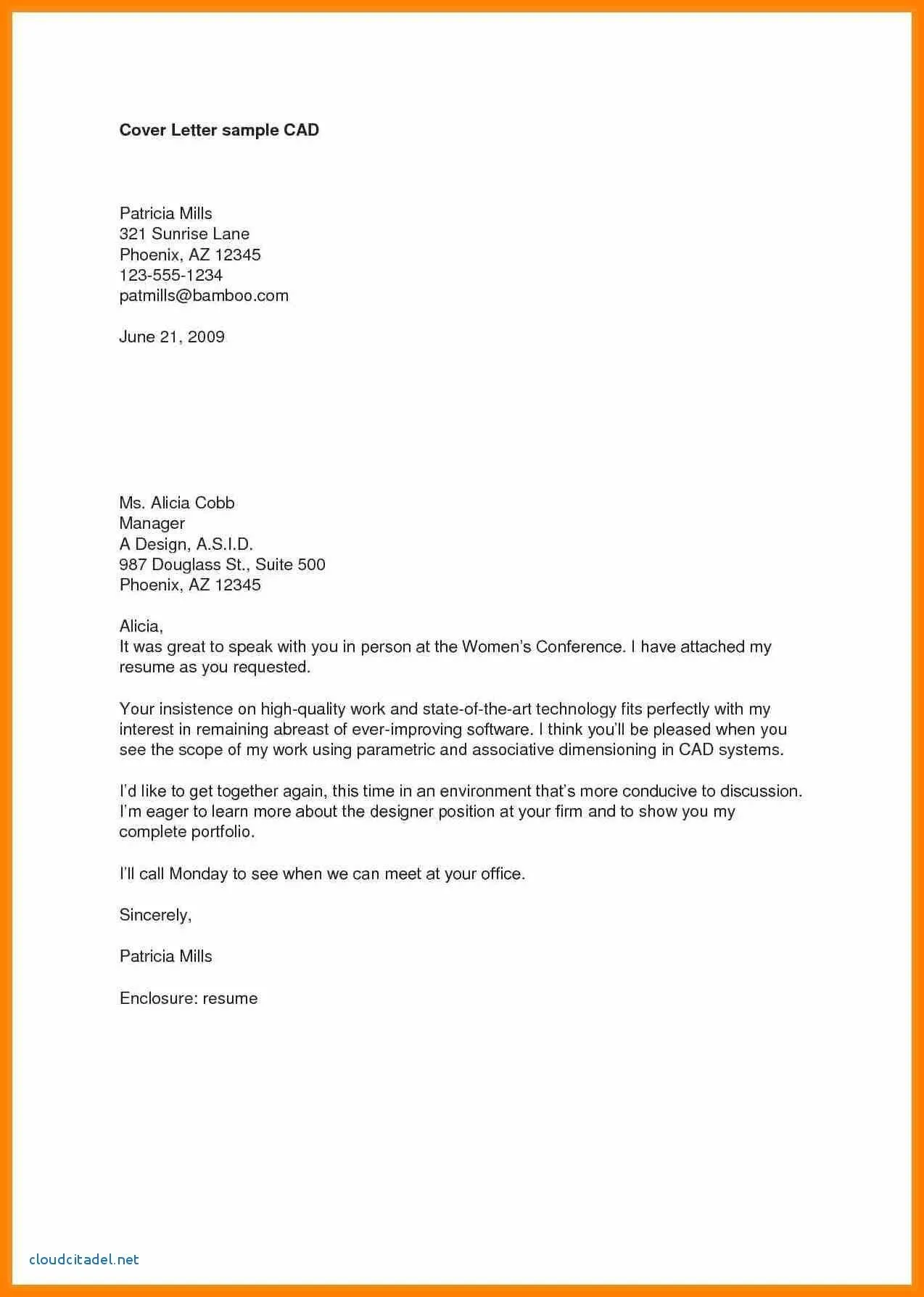
Why Your Cover Letter Matters
In the competitive landscape of job applications, a well-crafted cover letter can be your golden ticket to an interview. It’s your first introduction, your chance to make a strong impression before they even look at your resume. A cover letter allows you to showcase your personality, connect your skills and experience to the specific job requirements, and express genuine enthusiasm for the opportunity. Many hiring managers prioritize cover letters, considering them essential tools for gauging a candidate’s communication skills, attention to detail, and overall fit for the role and the company culture. Your cover letter can set you apart from other candidates who might be submitting similar resumes. By taking the time to write a compelling cover letter, you significantly increase your chances of getting noticed and moving forward in the hiring process.
Highlight Your Achievements
Don’t just list your responsibilities; highlight what you’ve achieved in previous roles. Focus on your accomplishments and the positive impact you made. Instead of saying “Managed social media accounts,” say “Increased social media engagement by 40% within six months, resulting in a 20% rise in website traffic.” This approach shows potential employers that you are results-oriented and can deliver value. Use specific examples to illustrate your skills and experience, and quantify your achievements whenever possible. This makes your cover letter more compelling and memorable. Your cover letter is your opportunity to tell a story about your career and show why you’re the best candidate for the job.
Quantify Your Accomplishments

Numbers speak volumes. Whenever possible, back up your claims with quantifiable results. For example, if you improved sales, state the percentage increase. If you saved the company money, provide the amount. If you streamlined a process, mention the time or resources saved. Quantification adds credibility to your statements and provides concrete evidence of your capabilities. Using numbers gives the hiring manager a clear understanding of your impact in previous roles and how you might contribute to their organization. Furthermore, quantifying your achievements shows that you’re data-driven and focused on achieving results. It’s a simple yet powerful way to make your cover letter stand out from the competition.
Use Action Verbs
Start your sentences with strong action verbs. Instead of saying “Responsible for,” use words like “Managed,” “Led,” “Developed,” “Implemented,” or “Achieved.” Action verbs make your cover letter more dynamic and engaging. They demonstrate your proactive approach and your ability to take initiative. Avoid passive voice and instead focus on what you did and the actions you took. This style of writing highlights your skills and expertise, grabbing the reader’s attention. When you start with action verbs, you instantly create a more compelling narrative about your experience and make it easier for the reader to understand your contributions and value.
Tailor to the Job Description
Customize your cover letter for each job application. Generic cover letters rarely impress. Review the job description carefully and identify the key skills and qualifications the employer is seeking. Then, highlight your relevant experience and skills, and explain how they align with the job requirements. This targeted approach demonstrates that you’ve taken the time to understand the role and the company’s needs. It shows the hiring manager that you’re serious about the opportunity and can bring value to the organization. By tailoring your cover letter, you significantly increase your chances of making a positive impression and securing an interview.
Research the Company

Before writing your cover letter, do your homework. Research the company’s mission, values, and recent accomplishments. Visit their website, read news articles, and check out their social media presence. This research will help you understand the company’s culture and objectives. When you address the hiring manager, mention something specific you admire about the company. This shows that you’re genuinely interested and have taken the initiative to learn about the organization. Understanding the company allows you to tailor your cover letter to their needs. You can emphasize how your skills and experience align with their goals and how you can contribute to their success.
Address the Hiring Manager Directly
Whenever possible, find out the name of the hiring manager and address your cover letter directly to them. This personal touch makes a big difference, demonstrating that you’ve done your research and are invested in the opportunity. Addressing the hiring manager by name shows attention to detail and a willingness to go the extra mile. If you can’t find the name of the hiring manager, avoid generic greetings like “To Whom It May Concern.” Instead, try using a more professional salutation, such as “Dear Hiring Team” or “Dear [Department Name] Hiring Manager.” A personalized approach shows you are a serious candidate and increase the likelihood that your cover letter gets the attention it deserves.
Show, Don’t Tell
Instead of simply stating that you possess certain skills, provide specific examples that illustrate how you’ve used those skills in the past. Don’t just say “I am a team player.” Describe a time when you successfully collaborated with others to achieve a common goal. Don’t just say “I am organized.” Provide evidence of your organizational skills, such as implementing a new filing system or managing a project efficiently. By providing examples, you make your claims more believable and memorable. The use of specific examples brings your skills to life. It shows the hiring manager that you not only have the necessary skills but also know how to apply them in real-world situations. Your cover letter should tell a story about your abilities and achievements.
Provide Specific Examples

Use the STAR method (Situation, Task, Action, Result) to structure your examples. Describe the situation you were in, the task you were assigned, the action you took, and the positive result you achieved. This method provides a clear and concise way to showcase your skills and accomplishments. For example, you can describe a project where you were responsible for improving customer satisfaction. Detail the specific steps you took to address the issues, the strategies you implemented, and the measurable improvements you achieved. Remember, it’s essential to make sure your examples are concise and relevant to the job requirements. By providing compelling examples, you leave a lasting impression and demonstrate how you can bring value to the company.
Demonstrate Enthusiasm and Fit
Express your genuine interest in the role and the company. Explain why you’re excited about the opportunity and how your goals align with the company’s mission and values. Your enthusiasm can make a significant difference in whether your application stands out. Showing that you’ve researched the company and understand its goals is a great way to express your interest. Mention specific aspects of the job or company that appeal to you. This could include the company’s innovative culture, its commitment to sustainability, or opportunities for professional growth. Enthusiasm shows you’re not just looking for a job, but you’re passionate about making a contribution. By demonstrating genuine interest, you increase your chances of getting the hiring manager’s attention and moving forward.
Proofread and Edit Meticulously
Errors in grammar and spelling can undermine your credibility. Before you submit your cover letter, carefully proofread it multiple times. Check for any typos, grammatical errors, and inconsistencies. Ensure your sentences flow logically and that your ideas are clearly expressed. It can be helpful to have a friend or colleague review your cover letter for a fresh perspective. They may catch errors you’ve missed. A polished cover letter demonstrates your professionalism and attention to detail. It shows the hiring manager that you care about making a good impression and are committed to producing high-quality work. A single typo can send the wrong message, potentially costing you the opportunity.
Check for Grammar and Spelling Errors

Utilize grammar and spell-check tools to catch any mistakes. However, don’t rely on these tools alone. They may not always catch subtle errors or nuanced issues. Read your cover letter aloud to identify awkward phrasing or sentences that don’t flow well. Ensure your cover letter is free from any typos and grammatical errors that could detract from your message. Consider using online proofreading services. They can provide an extra layer of review and ensure that your cover letter is error-free. A cover letter with no errors shows professionalism and attention to detail, increasing your chances of a positive outcome.
Formatting and Tone
Pay attention to formatting and tone to make sure your cover letter is easy to read and professional in appearance. Use a clean font, such as Times New Roman or Arial, and ensure the font size is readable. Use standard margins and spacing. Maintain a professional tone throughout your cover letter. Avoid slang, jargon, or overly casual language. Use formal language and address the hiring manager appropriately. Ensure the tone matches the company culture and the industry. Presenting yourself in a professional and polished manner shows that you take the job application process seriously and are committed to making a positive impression.