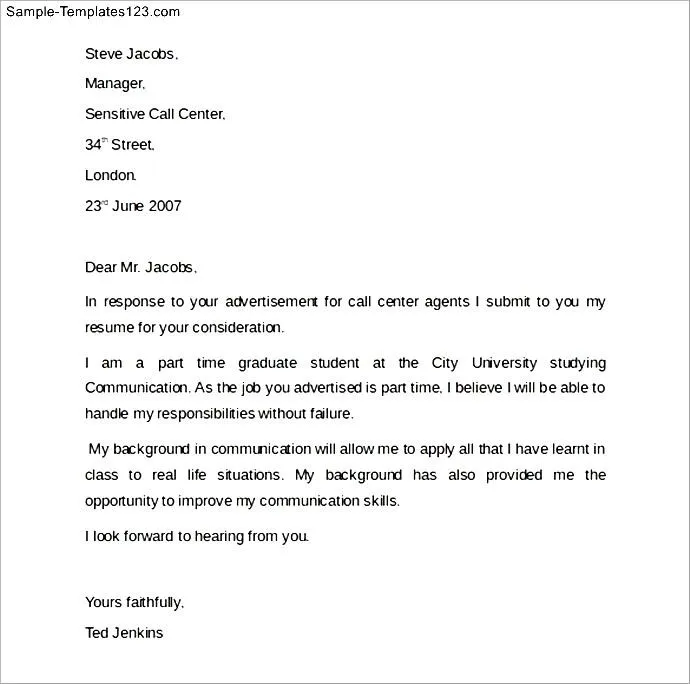
Crafting a Winning Call Center Cover Letter
A well-crafted call center job cover letter is your first step in securing an interview. It’s your opportunity to make a positive first impression and demonstrate why you’re the ideal candidate. This guide will walk you through the essential components of an impressive cover letter, helping you stand out from the competition and land your dream call center job. We’ll cover everything from understanding the role and highlighting your skills to formatting your letter for maximum impact and tailoring it to specific job descriptions. By following these guidelines, you’ll be well-equipped to create a cover letter that grabs the attention of hiring managers and increases your chances of success. Remember, your cover letter is a reflection of your professionalism and attention to detail.
Understanding the Call Center Role
Before you begin writing, it’s crucial to understand the responsibilities and requirements of a call center agent. This understanding will inform your cover letter, ensuring you highlight the most relevant skills and experiences. Call center roles vary, but they generally involve handling customer inquiries, providing support, and resolving issues via phone, email, or chat. By knowing what the job entails, you can tailor your letter to reflect your capabilities and how they align with the specific needs of the employer. This proactive approach demonstrates your understanding of the role and your commitment to the job.
Key Responsibilities of a Call Center Agent

Call center agents are responsible for a variety of tasks. These can include answering incoming calls, providing information, addressing customer complaints, processing orders, and maintaining customer records. Agents often handle a high volume of calls daily, requiring them to be efficient, patient, and able to multitask. Other responsibilities might include upselling products or services, following up with customers, and adhering to company policies and procedures. Highlighting your experience with these responsibilities in your cover letter will demonstrate your preparedness for the role.
Essential Skills for Call Center Success
Successful call center agents possess a unique blend of skills. These skills include excellent communication abilities, active listening, problem-solving, and the ability to remain calm under pressure. Proficiency in computer systems, CRM software, and the ability to navigate databases are also critical. Agents must be able to handle difficult customers, manage their time effectively, and follow detailed instructions. Furthermore, empathy and a customer-centric approach are vital. You should highlight these skills and provide specific examples from your past experiences to prove your capabilities. This will help the employer understand your value.
Highlighting Relevant Experience
Your cover letter should clearly demonstrate your relevant experience. This means going beyond listing your previous jobs and describing your responsibilities. Instead, focus on showcasing your achievements and the skills you developed in those roles. Provide specific examples of how you handled customer inquiries, resolved issues, and exceeded expectations. Quantifying your accomplishments with numbers and data will further strengthen your application. Consider what makes you stand out from other applicants, and tailor your experience to the requirements of the job description. This targeted approach is key to getting noticed.
Showcasing Communication Skills

Communication is the cornerstone of any call center role. In your cover letter, emphasize your ability to communicate clearly, concisely, and professionally, both verbally and in writing. Mention any specific training you’ve had in customer service, active listening, or conflict resolution. Describe instances where you successfully de-escalated difficult situations or explained complex information in an understandable manner. Your ability to tailor your communication style to different customer needs is crucial. Mention any certifications or awards you have received that highlight your communication skills, proving your commitment to the field.
Demonstrating Customer Service Abilities
Customer service abilities are paramount in a call center job. Highlight your ability to empathize with customers, provide solutions, and create a positive experience. Describe how you’ve gone above and beyond to assist customers, resolve their issues, and exceed their expectations. Examples of successful problem-solving, such as turning a negative customer experience into a positive one, will be valuable. Demonstrate your understanding of customer needs and your commitment to providing excellent service. Highlight your ability to build rapport and establish trust, which are vital for building customer loyalty.
Quantifying Achievements
Quantifying your achievements is a powerful way to demonstrate your value to a potential employer. Use numbers and data to show the impact of your work. This approach makes your accomplishments more concrete and believable. For example, instead of saying “Improved customer satisfaction,” state “Increased customer satisfaction scores by 15% within six months.” Other examples could include the number of calls handled per day, the percentage of first-call resolutions, or any efficiency improvements you implemented. Use quantifiable data to illustrate your ability to make a positive impact in a call center environment.
Using Numbers to Prove Your Impact

When describing your accomplishments, always use numbers to illustrate your impact. For example, if you were responsible for handling customer complaints, specify the number of complaints you resolved per day or the percentage of complaints you resolved on the first call. If you improved customer satisfaction, state the exact percentage increase. If you exceeded sales targets, provide the specific figures. Using numbers adds credibility to your claims and provides concrete evidence of your abilities. This level of detail makes your cover letter more compelling and makes it easier for hiring managers to understand the value you bring to the team.
Structuring Your Cover Letter
A well-structured cover letter is easy to read and conveys your message effectively. Your cover letter should consist of three main parts the opening, body paragraphs, and a closing. Each section plays a critical role in capturing the reader’s attention and highlighting your qualifications. A clear and logical structure ensures your cover letter is persuasive and memorable. Take care to use appropriate formatting (see Formatting and Presentation below) to improve readability. A well-structured cover letter presents a professional image, showcasing your skills and dedication to excellence.
The Opening Paragraph
The opening paragraph of your cover letter is your opportunity to make a strong first impression. Start by clearly stating the position you’re applying for and where you found the job posting. Briefly introduce yourself and highlight your most relevant skills or experiences. Show your enthusiasm for the role and the company. Avoid generic opening lines. Instead, personalize your introduction to demonstrate your interest and understanding of the company’s needs. The opening paragraph sets the tone for the rest of your letter, so it should be compelling and concise.
Body Paragraphs Highlighting Skills

The body paragraphs are the core of your cover letter. Here, you’ll expand on your skills and experiences, providing detailed examples to support your claims. Focus on the skills and experiences that are most relevant to the job description. Use specific examples to demonstrate how you’ve handled customer inquiries, resolved issues, and achieved positive results. Structure each paragraph around a key skill or achievement, using the STAR method (Situation, Task, Action, Result) to provide context and demonstrate your abilities. Be concise, focused, and ensure each paragraph contributes to your overall message.
The Closing Paragraph
Your closing paragraph should reiterate your interest in the position and summarize your key qualifications. Thank the reader for their time and consideration. Include a call to action, such as stating that you are available for an interview and providing your contact information. Ensure you review your cover letter for any errors and proofread it before submitting. A professional closing paragraph leaves a lasting positive impression, showing your dedication and enthusiasm for the opportunity.
Formatting and Presentation
The appearance of your cover letter is just as important as its content. Proper formatting and presentation ensure your letter is easy to read and professionally presented. Choose a font that’s clear, legible, and easy on the eyes. Use appropriate spacing and margins to create a clean layout. Pay attention to the overall aesthetic of your letter, as a well-formatted document demonstrates your attention to detail and professionalism. Ensure that you adhere to these formatting principles to give your application its best chance of success. A visually appealing cover letter will increase the chances of being noticed.
Choosing the Right Font and Layout

Select a professional font like Times New Roman, Arial, or Calibri for your cover letter. These fonts are widely accepted and easy to read. Use a font size between 10 and 12 points. Ensure consistent spacing between lines and paragraphs to improve readability. Use standard 1-inch margins on all sides of your document. Keep the layout clean and uncluttered, avoiding excessive bolding, underlining, or italics. Use bullet points to present key skills or achievements clearly and concisely. Your goal is to create a visually appealing document that’s easy for the hiring manager to read and understand quickly.
Proofreading and Editing for Perfection
Proofreading and editing are crucial steps in the cover letter creation process. Carefully review your cover letter for any grammatical errors, spelling mistakes, and punctuation errors. These errors can undermine your credibility and create a negative impression. Read your cover letter aloud to catch any awkward phrasing or sentences that don’t flow smoothly. Consider asking a friend or family member to proofread your letter for a fresh perspective. Ensure your cover letter is free of errors before submitting it. A polished and error-free cover letter shows your attention to detail and professionalism.
Tailoring Your Cover Letter
Tailoring your cover letter to each specific job application is critical for success. Avoid using a generic cover letter, as it will not resonate with hiring managers. Instead, carefully review the job description and identify the key skills and requirements. Then, customize your cover letter to highlight your relevant experience and abilities. Demonstrate how your skills and experiences align with the company’s needs. Tailoring your cover letter ensures you clearly demonstrate why you’re the best candidate for the job. This personalized approach will improve your chances of securing an interview.
Researching the Company and Job

Before writing your cover letter, research the company and the specific job you’re applying for. Understand the company’s mission, values, and culture. Review the job description carefully to identify the key responsibilities and required skills. Use this information to tailor your cover letter to the specific needs of the company. Researching the company demonstrates your interest and initiative and shows you’re genuinely interested in the role. This preparation will provide the required information to customize your cover letter to make a lasting impression.
Using Keywords from the Job Description
Incorporate keywords from the job description into your cover letter. This is a practical strategy to demonstrate your relevant skills and experiences. Identify the key terms and phrases used in the job posting. Naturally integrate these keywords throughout your cover letter, especially in the body paragraphs where you describe your skills and achievements. However, avoid keyword stuffing, as this can make your letter sound unnatural and forced. Use keywords strategically to highlight your qualifications and make it easier for hiring managers and applicant tracking systems to identify you as a good fit. It shows your knowledge of the role.
Call to Action and Next Steps
Your cover letter should always include a clear call to action. Clearly express your interest in the position and state that you are available for an interview. Provide your contact information, including your phone number and email address. Ensure that the contact information is up-to-date and accurate. Thank the hiring manager for their time and consideration. A strong call to action encourages the hiring manager to take the next step. By following these steps, you can increase your chances of moving forward in the hiring process and securing an interview.