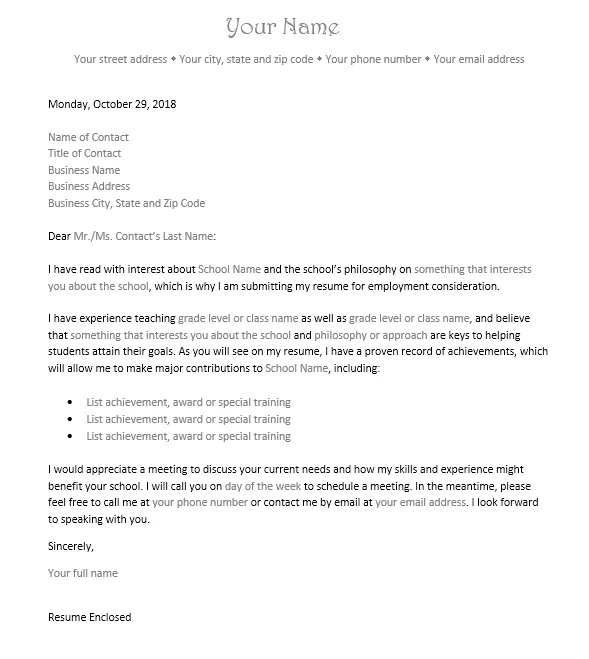
Why Cover Letter Sign-Offs Matter
The cover letter is your first chance to make a lasting impression on a potential employer. It’s more than just a formality it’s a critical component of your job application. And just as your opening statement sets the tone, your closing the sign-off plays a vital role in shaping the reader’s final perception of you. A well-crafted sign-off demonstrates professionalism, attention to detail, and respect for the recipient’s time. In contrast, a poorly chosen or absent sign-off can undermine your efforts, leaving the impression of carelessness or a lack of consideration. In the competitive job market, every element of your application matters, and the sign-off is a small but significant detail that can influence your success.
The Importance of a Strong Closing
A strong closing, which includes your sign-off, reinforces your key message and leaves the reader with a positive final impression. It’s your last chance to reiterate your enthusiasm for the position, express gratitude for their time, and make it easy for them to contact you. A good closing summarizes your value proposition, showing that you’re not just a job seeker but a solution to their needs. This final touch can subtly prompt the recruiter to take the next step by encouraging them to contact you for an interview. A weak or generic closing, on the other hand, can leave the reader feeling uninspired or even make them forget about your application altogether. Thus, the closing isn’t just about saying goodbye; it’s about sealing the deal and making your mark.
Best Cover Letter Sign-Offs

Choosing the right sign-off depends on your personal style, the job, and the company culture. Here are some of the most effective options, each appropriate for different contexts. Remember to always match your tone and the overall impression you want to make to the tone of your cover letter.
Sincerely
Sincerely is a classic and versatile option. It’s a safe and professional choice, suitable for a wide range of industries and company cultures. “Sincerely” conveys respect and formality, making it a good option when you want to project a professional image. It’s especially appropriate when you are addressing the hiring manager or a specific individual by name. However, while versatile, it may sometimes lack a little warmth, so use it wisely to ensure your cover letter sounds authentic and professional. Always double-check the spelling and make sure your overall tone aligns with your cover letter’s content to ensure a cohesive and compelling message that showcases your ability to communicate effectively and thoughtfully.
Best regards
Best regards is a slightly more informal, yet still professional, sign-off. It is ideal if you want to inject a touch of warmth into your cover letter, without sacrificing professionalism. It’s appropriate for most situations. Using “Best regards” indicates that you value the reader’s time and are committed to the job opportunity. Consider this option when the tone of your cover letter is friendly but still professional. It’s a great choice for when you want to project a personable and approachable demeanor. Always make sure that your tone is consistent throughout your cover letter so the use of “Best regards” feels natural and genuine. This reinforces your message, ensuring the recruiter has a positive impression of your ability to be polite and professional.
Kind regards

Kind regards is a slightly warmer alternative to “Best regards.” It’s a courteous and friendly sign-off that’s suitable for most professional contexts. It is a safe choice if you are aiming for a more friendly tone. “Kind regards” demonstrates consideration and a sense of respect for the person you are addressing. It’s a good choice when you have developed some form of connection, through research, a contact, or a shared acquaintance, but is still suitable for first-time applications. The use of “Kind regards” shows you value building a positive relationship. Ensure your overall tone throughout your letter matches this sign-off to show consistency and authenticity, reflecting your personality and your approach to relationship building.
Thank you for your consideration
This sign-off is a direct expression of gratitude, making it a thoughtful and effective option. It immediately conveys politeness and appreciation for the reader’s time. It emphasizes the fact that you value the opportunity. “Thank you for your consideration” is particularly appropriate when you want to highlight your gratitude and make a positive impression. It can be very effective, particularly in a slightly more formal context or when you are reaching out to a potential employer or hiring manager. This phrase shows you are thoughtful. It reminds the reader to consider your application favorably. Make sure it fits the overall tone of your letter to show that you are not just seeking a job, but looking to create a mutually beneficial relationship.
Warmly
Warmly is a friendly and inviting sign-off, suitable for slightly more casual or personal contexts. It’s a good choice if you are seeking to build rapport with the hiring manager. It expresses a genuine interest in the opportunity and a warm personality. While it projects a sense of personal connection, be mindful of the company culture. “Warmly” is suitable for companies with a more relaxed and open culture, but may be seen as too informal in highly formal environments. Use this sign-off strategically, ensuring that your cover letter content, including tone, and the overall situation support this level of familiarity. Ensure you project a sense of approachability, but with respect for the company.
Less Effective Cover Letter Sign-Offs

Some sign-offs are less effective than others, either because they are too generic, too informal, or simply outdated. Being mindful of these pitfalls is essential for avoiding common application mistakes and making a positive impact on the hiring manager. The choice of your sign-off impacts the overall effectiveness of your cover letter and the impression that you create. Let’s explore a few options you should be mindful of avoiding.
Avoid Generic Phrases
Avoid overly generic phrases like “Respectfully” or “Yours truly,” as they often lack personality and can make your letter feel impersonal. These sign-offs don’t resonate with the reader and may seem less sincere. Opting for more tailored and specific sign-offs, such as those mentioned above, allows you to show more consideration and interest. Generic closings won’t make your application stand out. Always choose an appropriate sign-off to create a strong, positive, and memorable closing.
Sign-Offs That May Seem Too Informal
Steer clear of sign-offs that might be too informal for a professional context. Phrases like “Cheers,” “Best,” or simply your first name can be perceived as unprofessional, especially if you are not already familiar with the hiring manager or the company culture. You should project professionalism when trying to secure an interview. Even if the job seems laid-back, always maintain a level of formality unless the company explicitly states otherwise. The goal is to make a positive impression that highlights your attention to detail and your understanding of professional communication standards.
Choosing the Right Sign-Off

Selecting the perfect sign-off requires you to carefully consider both your personal style and the context of your application. There are several aspects to take into account when deciding on the best sign-off. The most important considerations will help you make the best choice.
Consider Your Industry
Your industry’s conventions should guide you when choosing a sign-off. More formal industries, like law or finance, typically require more formal sign-offs, such as “Sincerely” or “Respectfully.” In creative fields, marketing, or tech, you may have a bit more leeway to use warmer or less formal options like “Best regards” or even “Warmly.” Doing some research on the company’s culture or industry standards can guide your decision. Aligning your sign-off with industry norms shows you understand professional standards and makes a positive impression.
Match Your Tone
Make sure your sign-off is aligned with the overall tone of your cover letter. If you’ve maintained a formal and professional tone throughout the letter, a formal sign-off is the most appropriate choice. A more casual letter can accommodate a warmer sign-off. The goal is to ensure that your closing feels like a natural and consistent conclusion. This alignment demonstrates your attention to detail and your ability to effectively tailor your communication style to specific contexts. Always check to make sure that you are consistent.
Proofread Your Cover Letter

Always proofread your cover letter, including your sign-off, for any errors in spelling, grammar, or punctuation. Mistakes can undermine your credibility and reduce your chances of getting an interview. Always make sure you review your whole cover letter to correct mistakes. Having a second pair of eyes to read over your letter can also be helpful to catch any errors. Careful proofreading demonstrates professionalism, which can distinguish you from other job applicants. Take the time to ensure your cover letter is flawless.